
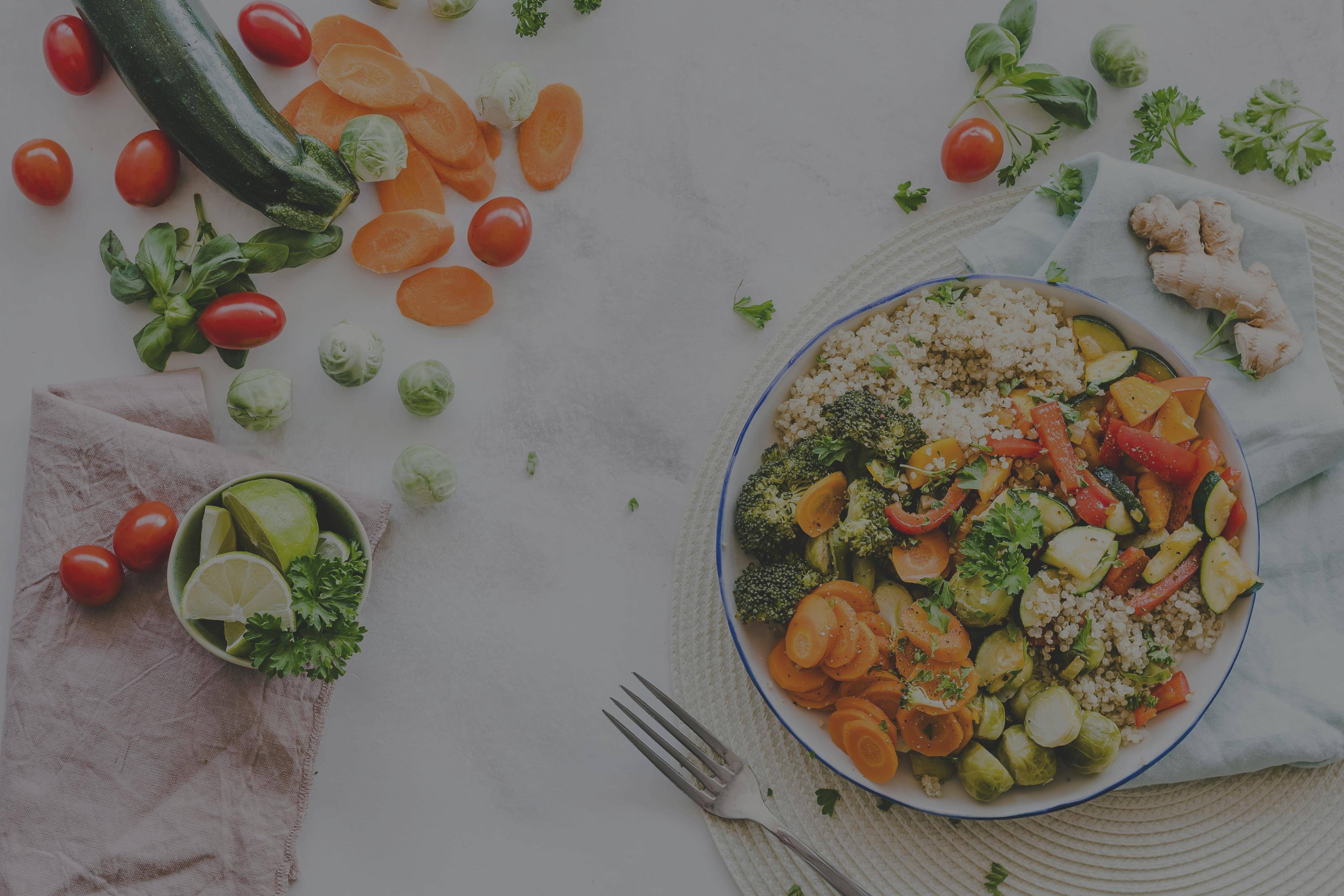
Low FODMAP (Fermentable Oligo-, Di-, Mono-saccharides and Polyols) diets are primarily for people who get an irritated gut from certain carbohydrates. People with irritable bowel syndrome (IBS), for example, often benefit from low FODMAP foods. Being on a low FODMAP diet means restricting certain foods or cutting them out completely.
What are low FODMAP foods?
FODMAP foods contain fermentable oligosaccharides, disaccharides, monosaccharides and polyols, all classes of carbohydrate which can cause indigestion problems in some people. Although technical terms, the main thing to know is which foods are high in FODMAP and which are better suited to low FODMAP foods. Although you can find certain oligosaccharides in breaded products because wheat, rye and barley contain them, many everyday high FODMAP foods are found in two major groups: fruit and vegetables.
Low FODMAP fruits
Tomatoes, kiwi fruit, pineapples, grapefruits and firm bananas in small quantities are all good low FODMAP foods. Oranges and related fruits, such as tangerines and clementines, will be fine, as well. Berries are considered to be good on a low FODMAP diet, including strawberries, blueberries, raspberries and unsweetened cranberries. Note that Blackberries are high FODMAP even in small quantities.
Fruits that contain too much fructose, such as very ripe bananas, peaches, apples, mangoes, cherries and watermelons, are generally high in FODMAP, however. Juicing low fermentable oligosaccharides, disaccharides, monosaccharides and polyols fruits can mean they become more likely to trigger a FODMAP response. If you juice, stick to low FODMAP fruits and consume the juice in small quantities. Avoid the juice of high FODMAP fruits.
Low FODMAP vegetables
Steer clear of leeks, cauliflowers, Brussels sprouts, garlic and onions on a low fermentable oligosaccharides, disaccharides, monosaccharides and polyols diet. Instead, seek out carrot recipes for a low FODMAP meal with root vegetables. Cabbage and broccoli can also be problematic for some people, so look for kale or spinach recipes if you want leafy greens. Potatoes, turnips, swedes, chard, collard greens, lettuce, courgettes, peppers and parsnips are all fine, generally speaking, when following a low FODMAP diet.
Recipe suggestions for a low FODMAP diet
This tasty king prawn and carrot dal is the very thing to try on a low FODMAP diet. Low FODMAP recipes, like this one, don't have to compromise on flavour just because you are limiting the number of ingredients you can use on a fermentable oligosaccharides, disaccharides, monosaccharides and polyols-friendly diet.
If you'd normally eat breaded or battered fish, this recipe for pesto-crusted cod is also a good choice, since it means avoiding wheat. Finally, check out this roast potato, bacon and crispy kale salad recipe, which would make for a superb winter warmer or Sunday lunch on a low FODMAP diet.
Meat and fish consumption on a low FODMAP diet
Although fermentable oligosaccharides, disaccharides, monosaccharides and polyols foods tend to be mostly associated with the kinds of ingredients you would find in a typical vegetarian meal delivery, some people can still be concerned about being triggered by meat and fish. What you need to know is that meat, including pork, lamb and chicken, as well as common fish, such as prawns, salmon and cod, are FODMAP-free. Eggs are also low FODMAP because they contain no lactose, so they can be eaten freely.
What you need to avoid is processed meat and fish, which can introduce high FODMAP ingredients. For example, breaded fish can be an issue, as can meat pre-seasoned with garlic or onion powder. Some processed meats may also contain sweeteners you'd otherwise want to avoid. Overall, it is best to avoid any processed foods on a low FODMAP diet to be more sure of exactly what you're consuming.
Fermentable oligosaccharides, disaccharides, monosaccharides and polyols FAQs
What common foods are high in FODMAP?
Anyone following a low fermentable oligosaccharides, disaccharides, monosaccharides and polyols diet should avoid wheat, barley, garlic, onions, beans and dairy products containing lactose. Butter, hard cheeses and lactose-free milk are low FODMAP. Other foods that are high in FODMAP include honey, apples, pears, watermelons and syrup due to the relatively high levels of fructose in them. Additionally, polyols such as sorbitol are sometimes found in sugar-free sweets, while mannitol, another polyol, is often found in button mushrooms and cauliflowers, among other ingredients.
What should you not eat on a FODMAP diet?
FODMAP stands for fermentable oligosaccharides, disaccharides, monosaccharides and polyols, which means they all contain certain types of carbohydrate that are harder for some people's guts to absorb. Consuming low FODMAP foods helps to avoid these carbohydrates. Along with dairy and certain sweet items, such as ripe mangoes, cherries and sorbitol-based chewing gum, steer clear of certain vegetables on a low FODMAP diet. Those to avoid include leeks, beetroot, broccoli stems and asparagus.
What is the most common FODMAP trigger?
Fermentable oligosaccharides, disaccharides, monosaccharides and polyols triggers vary from person to person, and some people don't suffer from feeling bloated or irritated even if they eat foods high in FODMAPs. Nevertheless, the most common causes of triggers among the population are consuming too much wheat, garlic and onions. After them, the most common FODMAP triggers tend to be consuming lactose in milk and soft cheeses.
Is peanut butter a FODMAP?
Low FODMAP meals that include peanut butter are generally acceptable on a low FODMAP diet. Although some people can have allergic reactions to peanuts, this generally has nothing to do with a fermentable oligosaccharides, disaccharides, monosaccharides and polyols response. Check the label of shop-bought peanut butter, however. Some brands contain artificial sweeteners or high fructose corn syrups, which should be avoided on a low FODMAP diet.
Are bananas high in fermentable oligosaccharides, disaccharides, monosaccharides and polyols?
Bananas are often fine to eat on a low FODMAP diet because they don't contain a lot of fructose. However, low FODMAP recipes that call for ripe bananas are a bit misleading because, as bananas age, their flesh starts to produce more and more sugar, including fructose. This can lead to a FODMAP trigger response in some people, so stick to bananas that are not quite fully ripe with a little green on their skins still if you want to continue to enjoy them along with other low FODMAP fruits.