
Vegetarian meals with protein support muscle maintenance and everyday body repair, just like meals built around meat. The difference lies in the ingredients used. Instead of animal protein, these dishes rely on high protein vegetables, pulses, dairy and plant-based staples to deliver balanced, satisfying nutrition.
If you’re looking to add more protein to your routine, this guide shows you how protein-packed meals are built.
What makes a vegetarian meal protein-packed?
Many high protein recipes rely on meat as their main protein source. Traditional vegetarian meals, by contrast, sometimes remove the meat without replacing it properly, relying instead on starchy ingredients like potatoes or butternut squash to add bulk. While filling, these meals often fall short on protein and may not provide the balance needed for regular meals.
Vegetarian protein-packed meals take a more deliberate approach. They are built around plant-based ingredients that naturally contain higher protein levels, such as pulses, legumes, dairy products, eggs and certain vegetables. By prioritising these foods, the meals deliver meaningful protein rather than just volume. As a general guide, a moderate-protein meal provides around 20g of protein per serving, while a protein-packed vegetarian meal typically delivers 25g or more.
Common vegetarian protein sources
Beans and legumes form the foundation of many vegetarian protein-packed dishes and are relatively inexpensive and easy to use across a range of meals. They can be added as a side or cooked into dishes such as vegetarian pies and stews, where they absorb flavour and add substance. Lentils, chickpeas and various types of beans work well in soups, curries and salads, making them useful across different cuisines and cooking styles.
Soya beans are also widely eaten and are often made into tofu or tempeh, which work especially well in stir-fries and baked dishes. Quinoa, oats and nuts are also excellent vegetarian protein sources and can be used in both savoury meals and lighter options. Dairy products like cheese, yoghurt and milk contribute protein while also adding richness and texture to vegetarian meals.
Popular plant-based protein meals
All the ingredients above come together in practical, everyday recipes that are easy to prepare and adapt. This coconut Laksa veggie noodle soup works well as a flexible option because it can be adapted with different vegetables depending on what you have available. If you are allergic to peanuts, you can leave them out and use tofu instead, which keeps the protein content high while changing the flavour profile.
Not all high protein vegetarian meals are stir-fries, as this pan-fried halloumi on harissa lentils dish shows. Some plant-based protein meals are quick and simple too, which helps explain their popularity for midweek cooking. For example, this cajun spiced halloumi & black bean burrito bowl provides a good amount of protein and works well as a fast, warming lunch when time is limited.
Vegetarian protein-packed meals compared with meat-based meals
Meat-based meals typically deliver more protein per portion than vegetarian ones, which is why vegetarian dishes often need to be more deliberately packed with protein. This can sometimes mean using larger portion sizes or combining several protein-rich ingredients in one meal.
Vegetables generally contain less protein per gram than meat, but they also provide fibre and volume, which can help you feel fuller after eating. People who adopt more vegetarian protein-packed meals often find this balance easier to manage over time, particularly if meals are planned with protein in mind. This approach can work well for those who want protein to support muscle maintenance alongside regular exercise.
The best high protein veggies
With HelloFresh veggie meal delivery, you’ll find ingredients that support vegetarian protein meals as part of your weekly cooking routine. If you want to prepare meals with higher protein levels per serving, it helps to favour vegetables that naturally contain more protein than others, alongside common sources such as tofu or beans.
Vegetables like edamame, peas and Brussels sprouts contribute more protein than most and work well in warm meals or salads. Broccoli, spinach, asparagus and kale add protein while also providing fibre and micronutrients. Mushrooms are another useful option, adding both texture and savoury flavour, which makes vegetarian protein-packed meals feel more satisfying overall.
Planning protein-rich vegetarian meals
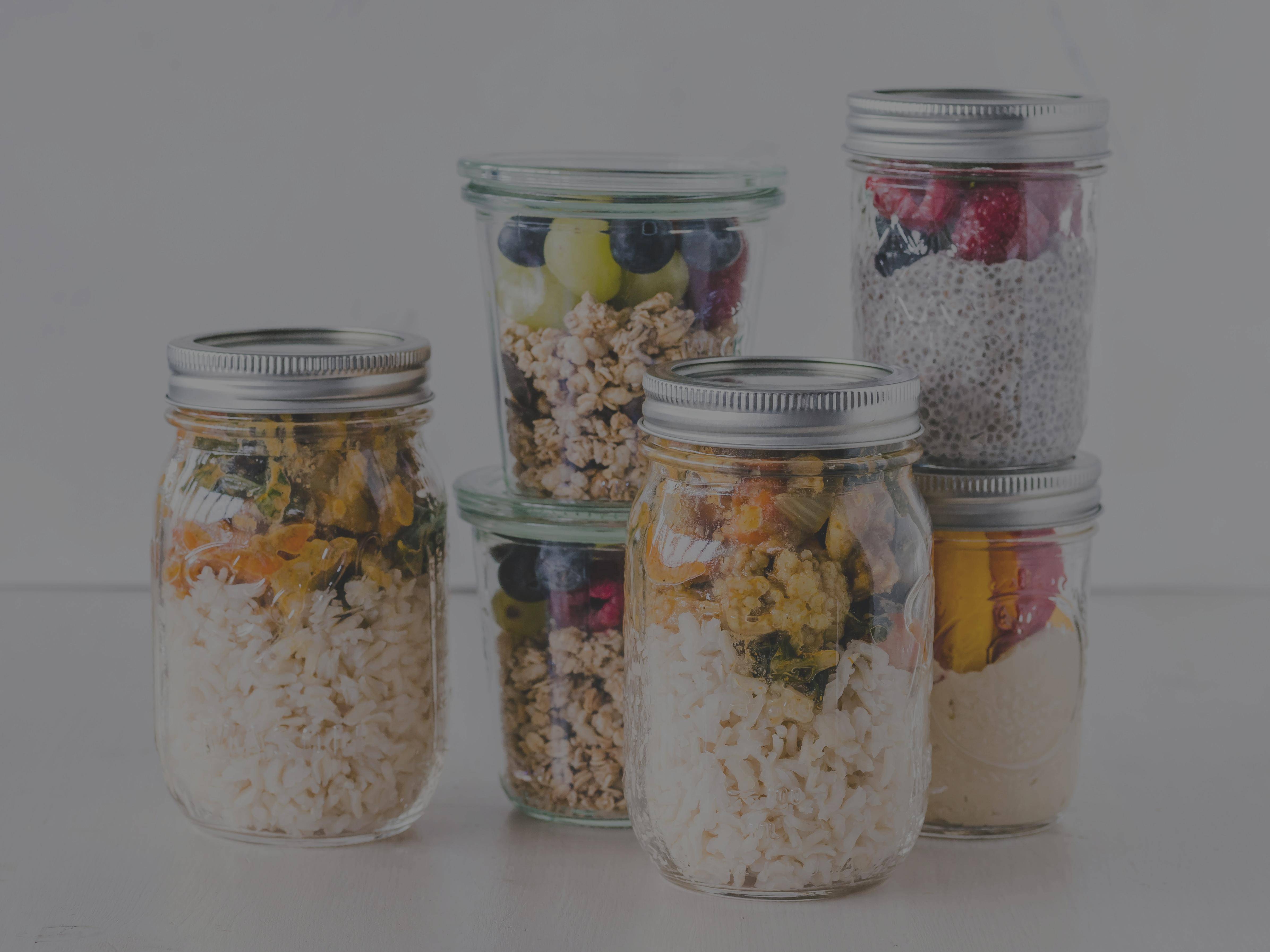
Some vegetarian protein-packed meals are better suited to being cooked in advance and divided into meal-sized portions. This approach is useful when batch cooking or planning meals for the week ahead, especially on busy days.
When planning vegetarian protein meals, it’s often necessary to include larger quantities of high protein vegetables than you might use when cooking with meat. Combining vegetables with other protein sources helps maintain balance across meals. Thinking ahead about portion size and variety also makes it easier to meet protein needs consistently without relying on the same ingredients every day.
Vegetarian protein meals FAQs
What are the best protein sources for vegetarian meals?
Legumes are a foundation for vegetarian protein meals because they are versatile and easy to cook. Soy-based foods like tofu and tempeh help too, while dairy products such as eggs, yoghurt and cheese add protein.
Can vegetarian meals provide enough protein without meat?
Yes, vegetarian meals can supply enough protein without meat when planned carefully. Most adults need just under one gram of protein per kilogram of body weight daily, which is achievable through vegetarian meals each day.
How do plant-based protein sources compare with animal-based ones?
Animal-based proteins contain all essential amino acids, which some plant sources lack. Dairy products share this profile, while soy, quinoa and buckwheat also qualify. Plant proteins are usually less dense, so larger portions are needed.
How do vegetarian protein-packed meals differ from vegan meals?
Vegetarian protein-packed meals can use dairy and eggs, which provide complete amino acids and higher protein density. Vegan meals rely solely on plants, so achieving similar protein levels often requires careful combinations and larger portions.
How can I increase my protein intake as a vegetarian?
Increase protein intake by choosing vegetarian meals built around eggs, cheese and yoghurt. Add beans and lentils to salads, soups and sauces regularly, and plan meals so protein-rich ingredients appear consistently across the week ahead.