
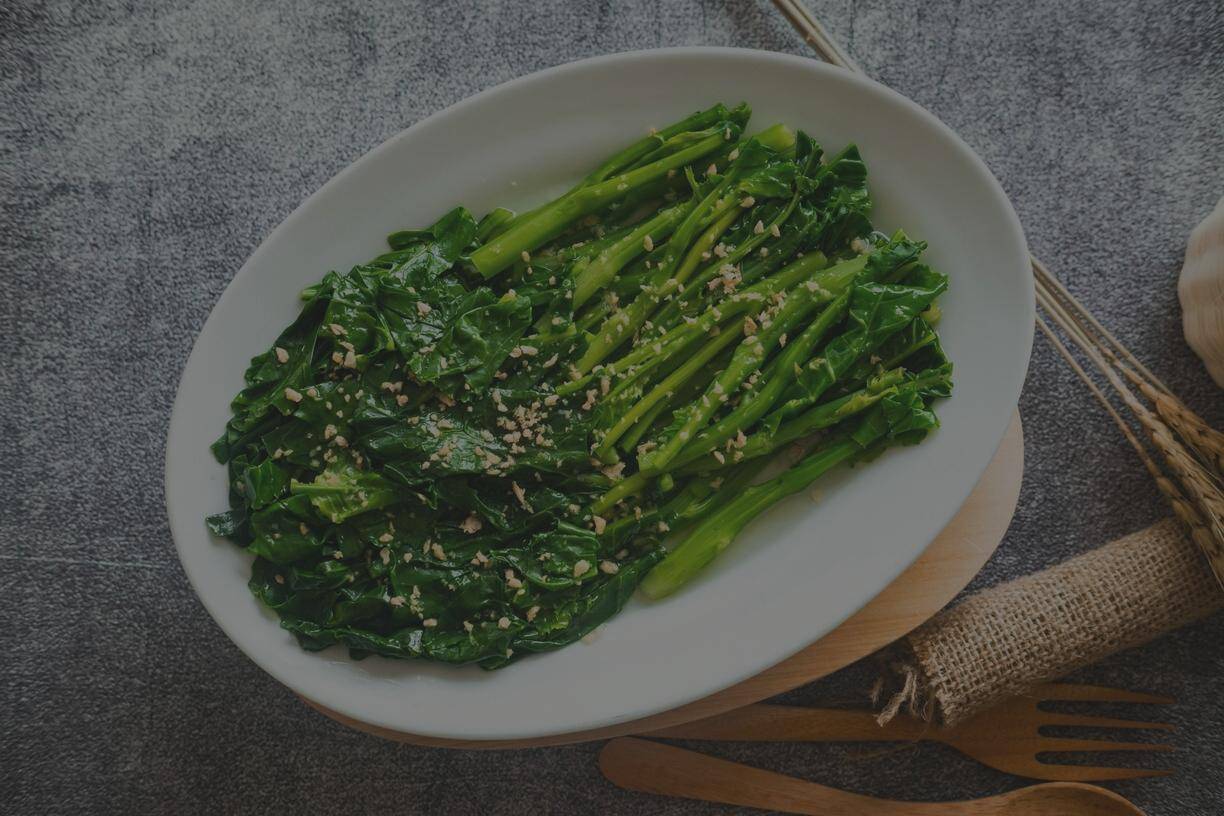
Asparagus features in many vegetarian meal delivery parcels, especially in late spring and early summer. Some people aren’t sure how to cook this distinctive vegetable and therefore don’t always get the best out of it. Although it's sometimes described as a superfood, this simply reflects its nutrient density rather than suggesting any special health powers. Discover why asparagus is so highly valued in many British kitchens.
Is asparagus good for you in home cooking?
Asparagus is great for home cooks because it can be roasted, fried, grilled, air-fried, boiled or steamed. It can also be eaten raw. In every form, it provides vitamins and minerals, including some antioxidants. When eaten as part of a balanced diet, it offers good nutritional value, and a portion of about six standard spears counts as one of your five-a-day fruit and vegetables.
Is white asparagus good for you?
White asparagus nutrition is much the same as the more common green asparagus. They are not identical, however. Both are low in calories yet high in fibre. Each contains vitamins C, E and K, plus some B vitamins, including folate. Because white asparagus grows with limited exposure to sunlight, it tends to have slightly less vitamin C per gram than green asparagus. Green asparagus also contains marginally more vitamins A and K per portion. Despite these small differences, both forms are good for you due to their wider nutritional profiles.
Is asparagus soup good for you?
Soup made with asparagus can be considered nutritious. Although recipes vary, so each soup will have a slightly different nutritional profile, an asparagus soup based on a good veggie recipe will generally be good for you. Cooking asparagus until it softens can make some antioxidants more available compared with eating it raw. Because the vegetable blends easily, asparagus soup can also be a helpful way for people to increase their vegetable intake if they prefer softer textures.
When you boil asparagus, just like any veg, some nutrients leach into the water and are lost when drained. This does not happen with homemade soups because the cooking liquid is consumed, allowing you to retain more of the vitamins and other nutrients. Broth-based soups tend to be lower in calories than cream-based versions, so the overall nutritional impact depends on the ingredients you choose.
How to get asparagus nutrition with tasty recipes
With so many tasty asparagus recipes to choose from, you can prepare the vegetable in lots of different ways throughout the asparagus season. This maple-glazed bacon and asparagus dish is a good example of pairing the spears with pork, a classic combination for many cooks. This crispy sea bream and serrano wrapped asparagus recipe mixes the spears with ham and fish for a more sophisticated evening meal. Because asparagus cooks quickly, it is especially useful for weeknight dishes where you want something fresh without long preparation times.
More widely, asparagus works well as an accompaniment in both hot and cold dishes. Check out this roasted asparagus summer side salad recipe, which you can use in countless culinary contexts. Asparagus also holds its texture when roasted or grilled, so adding it to salads, grain bowls, or pasta dishes is an easy way to increase your vegetable intake without changing the main flavours of a meal.
Tips for enjoying asparagus benefits at home
Here’s what you can do to ensure asparagus tastes great and retains as much of its nutritional value as possible:
- Rinse the spear heads, where dirt can sometimes accumulate, to remove any grit that might remain.
- Remove the thick ends of the spears by snapping them rather than cutting; asparagus naturally breaks at the point where the texture changes.
- Roast asparagus in a little olive oil at 220°C for about 12 minutes so it stays tender without becoming overly soft or losing too many heat-sensitive nutrients.
- Steam asparagus when you want to preserve more nutrients, a tip that also applies to similar stem vegetables.
- Cook asparagus just before serving, as its texture and vitamin content can decline if it sits for too long after preparation.
Is asparagus good for you FAQs
Why is asparagus good for you?
Asparagus is a rich source of vitamin K as well as vitamin A. It also contains vitamin C, vitamin E and folate. It provides glutathione plus various flavonoids and polyphenols, compounds that act as antioxidants when consumed. Its fibre and potassium content also support its value as part of a well-balanced diet.
What does asparagus taste like?
Asparagus has a taste unlike any other stem vegetable. It is slightly sweet and earthy, with a flavour some people describe as grass-like. When cooked, its natural sweetness often becomes more pronounced as some carbohydrates break down into simpler sugars. Thicker stems tend to have a deeper, more earthy flavour.
How long is asparagus good for after you buy it?
Fresh asparagus benefits from being kept in its wrapping and stored in the fridge. This way, it usually lasts for about four days, depending on how fresh it was when you bought it. To extend its fridge life, stand the stems upright in a jar with a little water. If you have cooked asparagus to store, place it in an airtight container, where it should keep for around three days.
Is asparagus healthier raw or cooked?
The vitamins, minerals and antioxidants in asparagus remain present once it has been cooked. Vitamin C levels can decline because this vitamin is heat-sensitive, but light steaming or grilling will have only a minor effect. Roasting and grilling also help break down the tougher fibres in the stems. Neither raw nor cooked asparagus is inherently healthier, and both forms work well in a balanced diet.
Is asparagus high in protein?
Asparagus is not a protein-rich food, like most vegetables, but it does contain a small amount. A 100-gram portion typically provides around two grams of protein, which means it contributes to your daily intake without being a major source. Because asparagus pairs well with higher-protein ingredients like eggs, fish or lean meats, it often features in dishes that offer a more balanced overall nutritional profile.