
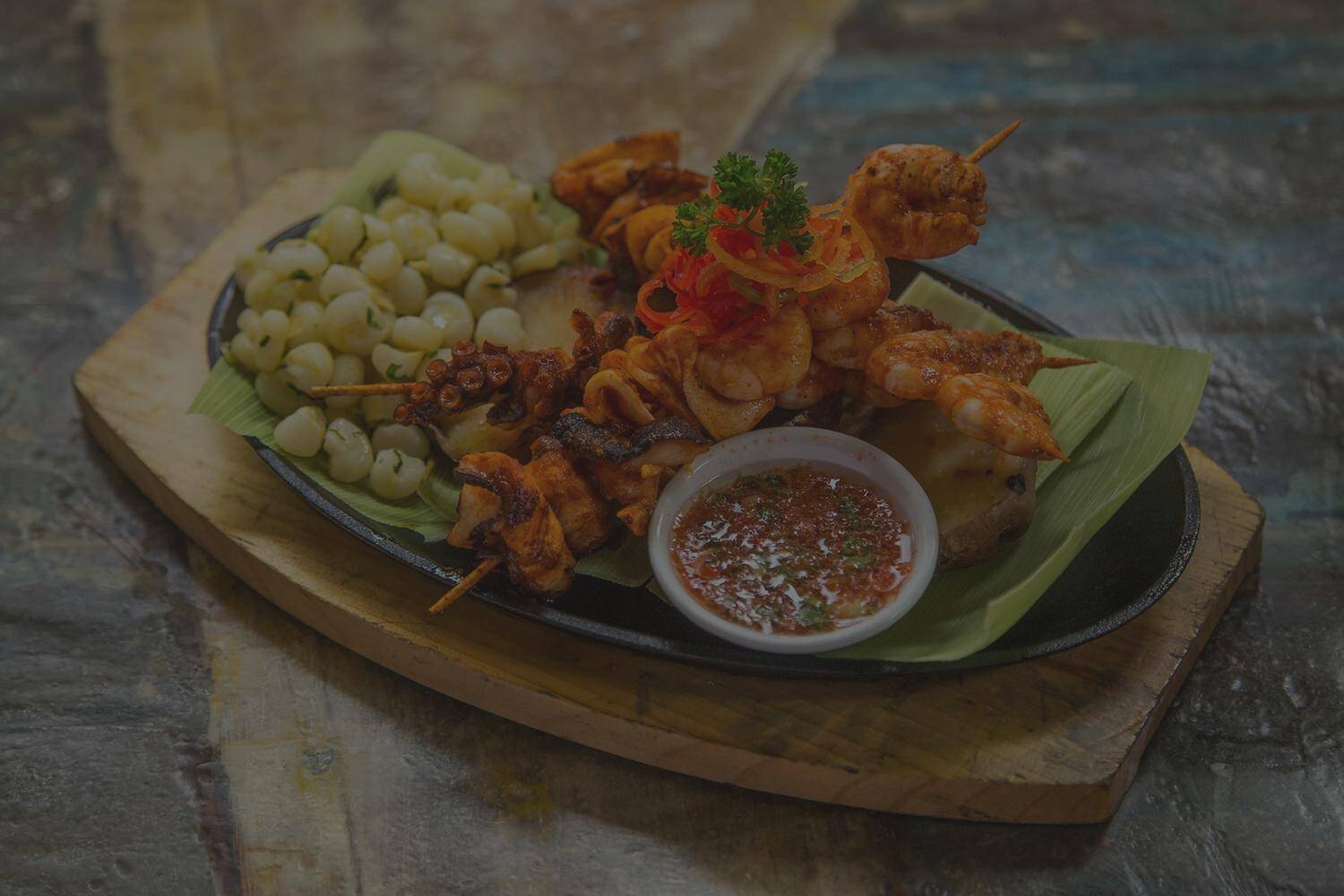
Peruvian cuisine is truly unique, inspired by the country's geography - with its long coastline and the towering Andes mountains - and history. Waves of migrants from Spain, Africa, and even Japan have shaped the way Peruvians eat, creating one of the world's finest fusion gastronomies. Read on to learn how to bring some of that South American magic into your kitchen.
A beginner's guide to Peruvian cuisine
Peru is a country with extremely varied landscapes; depending on where you go, you'll find different kinds of dishes. Along the coast, ceviche - a flavour-packed dish of raw fish marinated in lime juice until it "cooks" - reigns supreme. Up in the Andes, there are heartier dishes for the cold winters, often featuring ingredients that are native to Peru, such as quinoa, corn, or the humble potato.
Over the centuries, Peru has had an enormous influx of migrants from both China and Japan, and they've made huge contributions to the country's cuisine. Chifa cuisine - Peruvian-Cantonese fusion - includes dishes like arroz chaufa (fried rice) and lomo saltado (stir-fried beef). Peruvian-Japanese food, or nikkei cuisine, often features sushi with tropical fruits or wonderful blends of sashimi and ceviche techniques.
Top tip: Ceviche is Peru's national dish, and is very easy to make at home. However, as you will be serving raw fish, hygiene is all-important. You will need to buy sashimi-grade fish, or you risk illness.
Ingredients to give your food Peruvian flavour
Some Peruvian ingredients are now easy to find in supermarkets, while others may require a specialist shop or a dedicated food box delivery. Here are a few common Peruvian staples:
- Potatoes. The spud actually originated in Peru, and is probably the country's most successful export. Thousands of varieties are available - try purple potatoes if you can get hold of them.
- Corn. Also native to Peru, there is a wide variety of corn available. Choclo, or large-kernel corn, is used in stews, served as a side dish, and even turned into drinks.
- Ají peppers. This is the most common kind of chilli in Peru. Ají amarillo (yellow) is often used to add flavour and a little heat to dishes.
- Quinoa. This ancient grain hails from the Andes, where it is an indigenous staple, and is still commonly used in Andean cuisine. If you can't get hold of it, substitute bulgur wheat, like in these Peruvian rocoto relleno stuffed peppers.
- Cuy (guinea pig). Yes, up in the mountains, these cute critters are often roasted and served as a treat. Don't panic if you can't handle the idea - stick with Peruvian pork, chicken, or lamb recipes instead.
Traditional Peruvian foods for breakfast
In the Andean highlands, people often start the day with quinoa porridge, an interesting twist on a classic. In other parts of the country, breakfast may include pan con chicharrón (a pork sandwich) or corn dishes, like these Peruvian-style cheesy sweetcorn fritters.
Peruvian recipes for everyday meals
Traditional Peruvian cuisine includes a variety of seafood and meat recipes. When it comes to meat, chicken, pork, and beef are common in most of the country, while lamb is particularly popular in the Andes. Try these Peruvian-inspired lamb steak skewers for a taste of the mountains.
In coastal regions, Peruvians often dine on fish and seafood. Ceviche, the national dish, is very easy to prepare at home. It can be made with a number of different types of fish, but firm-fleshed white fish like sea bass is the most common.
Preparing a Peruvian feast for friends and family
Peruvians tend to serve dishes plated individually. Large portions are common, and don't be afraid to mix carbs! Many dishes are served with both rice and chips, reflecting the multicultural nature of the country. Dishes that hail from Peru's Chinese or Japanese communities usually have soy sauce on the side, and citrus wedges for squeezing over the food are also a frequent sight.
Peruvian Foods FAQs
What are some typical Peruvian foods?
Some of the most common Peruvian dishes include ceviche (raw fish marinated in citrus juice), ají de gallina (chicken stewed in a creamy, slightly spicy sauce), and papa a la huancaína (a side dish of boiled potatoes in a yellow chilli and cheese sauce). The food is usually mildly spicy, but nowhere near the fiery level of Mexican cuisine.
What's the most popular Peruvian food?
Ceviche is the most popular Peruvian dish. In this flavourful meal, fresh raw fish is marinated in lime juice, which "cooks" it, giving it a unique, delicate texture. Many different kinds of fish are used, but firm, white-fleshed fish like sea bass are the most common.
What's the national dish of Peru?
The national dish of Peru is ceviche, a unique raw fish dish in which the fish is "cooked" by marinating it in lime juice. This is easy to prepare and can be made at home, but make sure you use very fresh, top-quality fish, as it will be served raw. Look for sashimi-grade fish.
What do Peruvians serve for picky eaters?
Picky eaters in Peru can rejoice, because the country has many simple chicken dishes like pollo a la brasa (rotisserie chicken, often served with chips) or ají de gallina, which features a smooth, creamy sauce. There's no need for fussy eaters to attempt Peru's more challenging dishes, like roasted guinea pig!
What is Lima's signature food dish?
One of the most popular dishes in Lima is lomo saltado, a beef stir-fry. The ingredients and cooking method reflect the city's multicultural heritage, with beef stir-fried in a Chinese-inspired fashion served alongside tomatoes, onions, chips, and rice.