
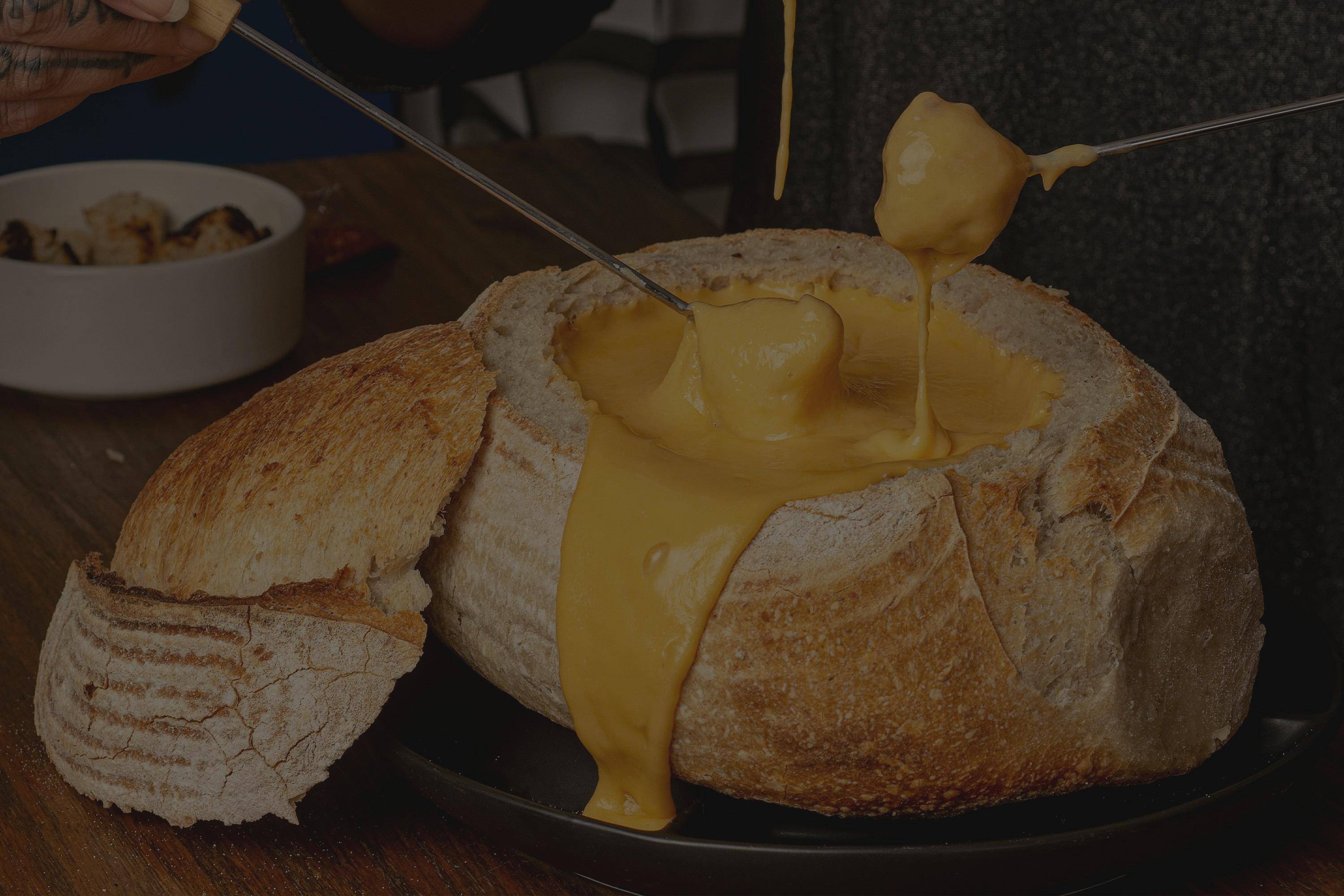
It's time to dine like Heidi! Swiss dishes make ideal winter comfort food. Hearty and delicious, they usually rely on dairy ingredients like top-quality milk, cheese, and chocolate - just what you need when you're feeling down.
Traditional Swiss foods you simply have to try
For centuries, Switzerland's alpine meadows have been used as grazing for cows - and that's why the country's dairy industry is such a roaring success. Many of the most iconic Swiss dishes showcase cheese, including fondue and raclette. Dessert simply has to involve Swiss chocolate. Forget the ultra-bitter dark stuff - Swiss chocs are smooth and creamy thanks to that great alpine milk.
Switzerland is a country with many contrasting cultural influences, and the national cuisine draws heavily on Italian, French, and German recipes. Preserved meats, designed to last through the long Swiss winters, are popular. You might struggle to find Swiss air-dried beef (bündnerfleisch or mostbröckli, somewhat similar to biltong and jerky) outside the country, but variations of salami and bacon are also common.
Types of Swiss cheese to try at home
Switzerland is heaven for lovers of cheese recipes. Emmental, famous for its holes, makes a great sandwich cheese, while gruyère melts smoothly and is traditional in fondue. Raclette is usually served in a hearty winter dish, melted over potatoes. One of the most interesting Swiss cheeses, tête de moine, is best enjoyed on a cheeseboard, with a special tool used to scrape off very thin slivers into rosette shapes. Cream cheese can be turned into these wonderfully smooth cranberry and cream cheese roulades for a special, festive take on chicken.
Myths and misconceptions about Swiss food
Some of the most famous "Swiss" dishes and ingredients actually don't hail from Switzerland at all! Swiss chard, the star of this superhero’s swiss chard penne, was actually first grown in Italy - but it's a special variety developed by a Swiss scientist. The origins of the legendary Swiss roll are unknown, but it doesn't appear to come from Switzerland. Never mind, because this chocolate, peanut and salted caramel Swiss roll is still tasty, no matter where it comes from.
The most popular Swiss dishes
One of Switzerland's most beloved dishes is rösti, crisp-fried potato pancakes. It's quite easy to make at home, and requires no specialist ingredients - just potatoes and whatever you want to serve them with. They make great meals for one, as you can easily whip up just a single serving, with no tricky leftovers to deal with. For breakfast, try rösti topped with bacon and fried eggs, keeping the yolk runny so it mixes with the potatoes. They also go well with sour cream or crème fraîche, with a little bit of dill if you want to be fancy. Of course, you could stick with the Swiss inspiration and serve rösti topped with gooey melted cheese. Gruyère melts exceptionally well, while Appenzeller makes a nice alternative.
Another all-time favourite is raclette. This is usually served melted over boiled potatoes, alongside cold cuts of meat, gherkins, and pickled onions. It couldn't be easier to prepare, and it's a real taste of the ski slopes!
How to make the perfect Swiss fondue
Fondue is the ultimate treat for cheese fans. It's traditionally prepared with a mixture of cheeses: Gruyère, which melts exceptionally well, and Emmental, which provides extra flavour. Never use pre-grated cheese, as it contains preservatives which will give the fondue an unpleasant texture. Melt the cheeses slowly and steadily, adding cornstarch to stabilise the mixture and keep it from curdling. A dash of kirsch (Swiss cherry brandy) is ideal for adults.
Fondue should be served with good-quality bread cut into bite-sized chunks. It'll be easier if the bread is a day or two old, so it's not too soft. Diners take turns to dip chunks of bread into the pot and eat them. For hygiene reasons, don't allow double-dipping. At fondue parties, guests traditionally have some kind of forfeit - like kissing the person next to them or attempting some Swiss yodelling - if they lose their bread in the cheese sauce.
Swiss Food FAQs
What is traditional Swiss food?
Traditional Swiss food is hearty peasant fare, rich in dairy and potatoes. With over 500 varieties of cheese made in the country, it's no surprise to find that it's frequently on the menu, whether served in a fondue or melted with potatoes to make warming raclette.
What is Swiss food like?
Swiss food draws influence from German, French, and Northern Italian cuisine. It tends to focus heavily on dairy, and there are lots of preserved meats and cheeses, as these will last well during the country's long, harsh winters.
What is Swiss food known for?
Worldwide, there are two ingredients which are synonymous with Switzerland: cheese and chocolate. Famous cheeses include gruyère, Emmental (the one with the holes), Appenzeller, and tête de moine. Swiss chocolate is smooth, rich milk chocolate, which makes the most of the country's high-quality dairy produce.
What's the national dish of Switzerland?
There's no single national dish in Switzerland. The two most popular contenders are fondue, a classic dish in which diners dip chunks of bread into a pot of melted cheese, and rösti, crisp fried potato pancakes.
What's a typical Swiss breakfast?
The most famous Swiss breakfast has now been exported around the world: muesli. Of course, you can buy it in the supermarket - but try making your own, mixing your favourite combination of dried fruits, nuts, and seeds with rolled oats, and serving with milk or yoghurt.