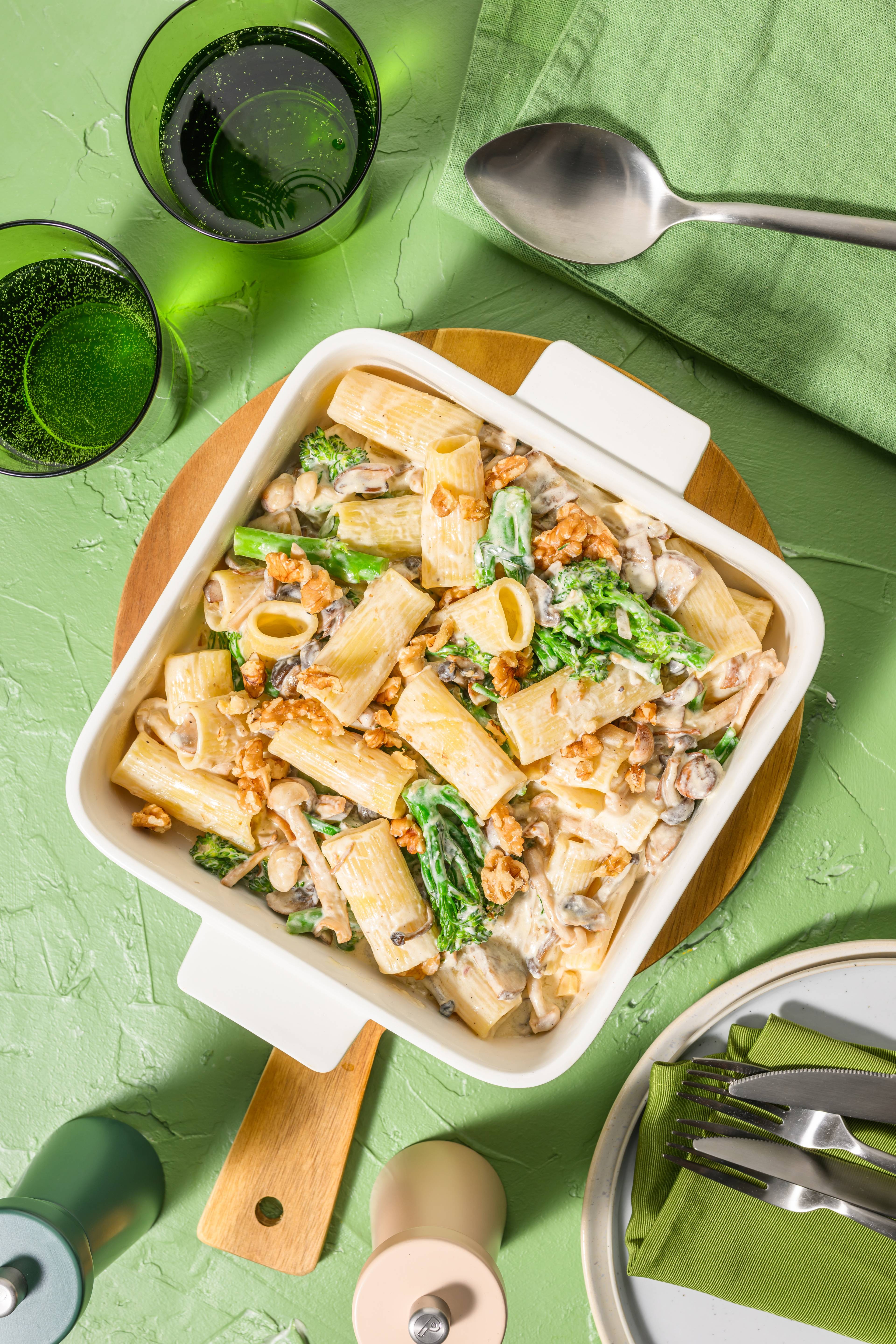
Rigatoni Recipes

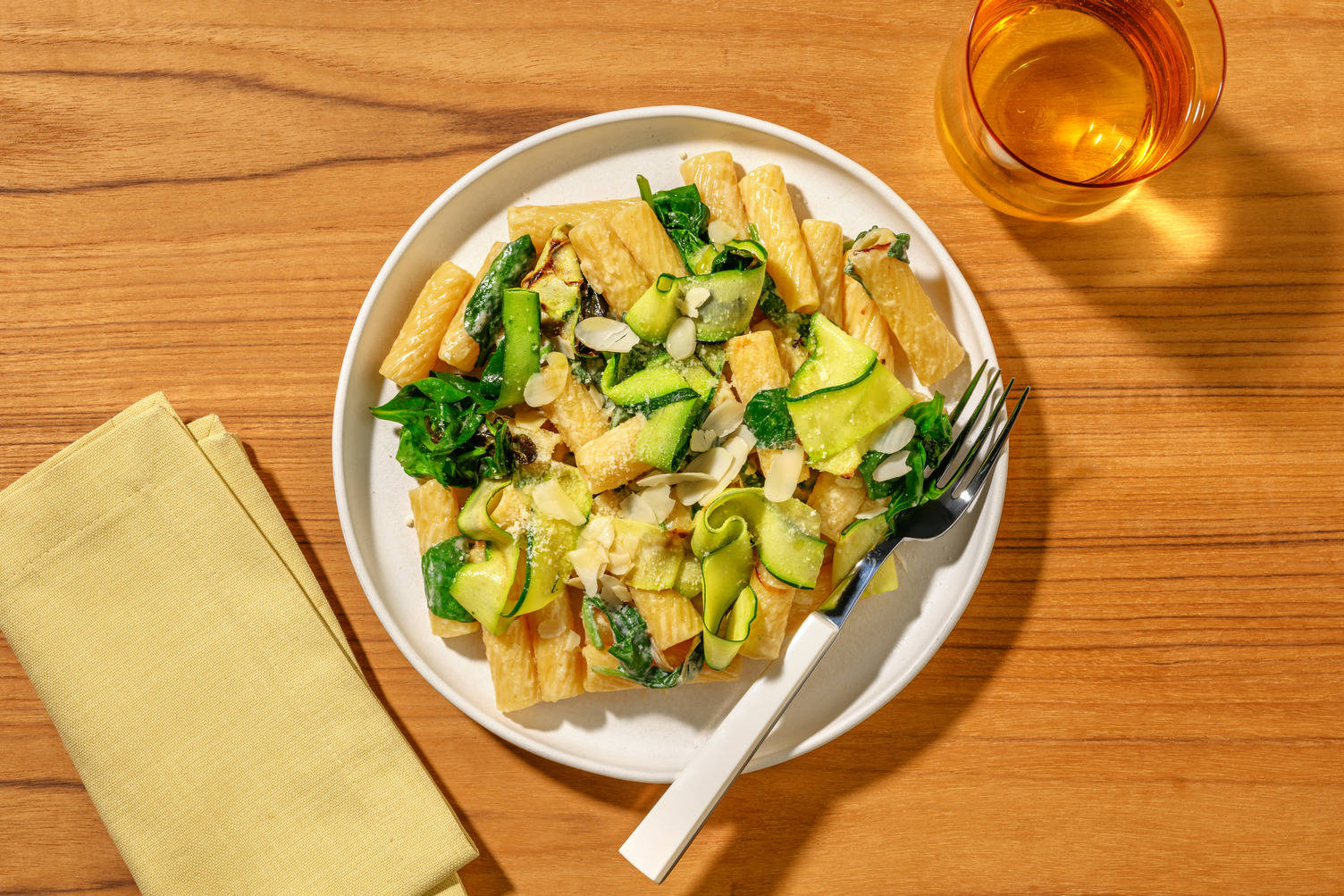
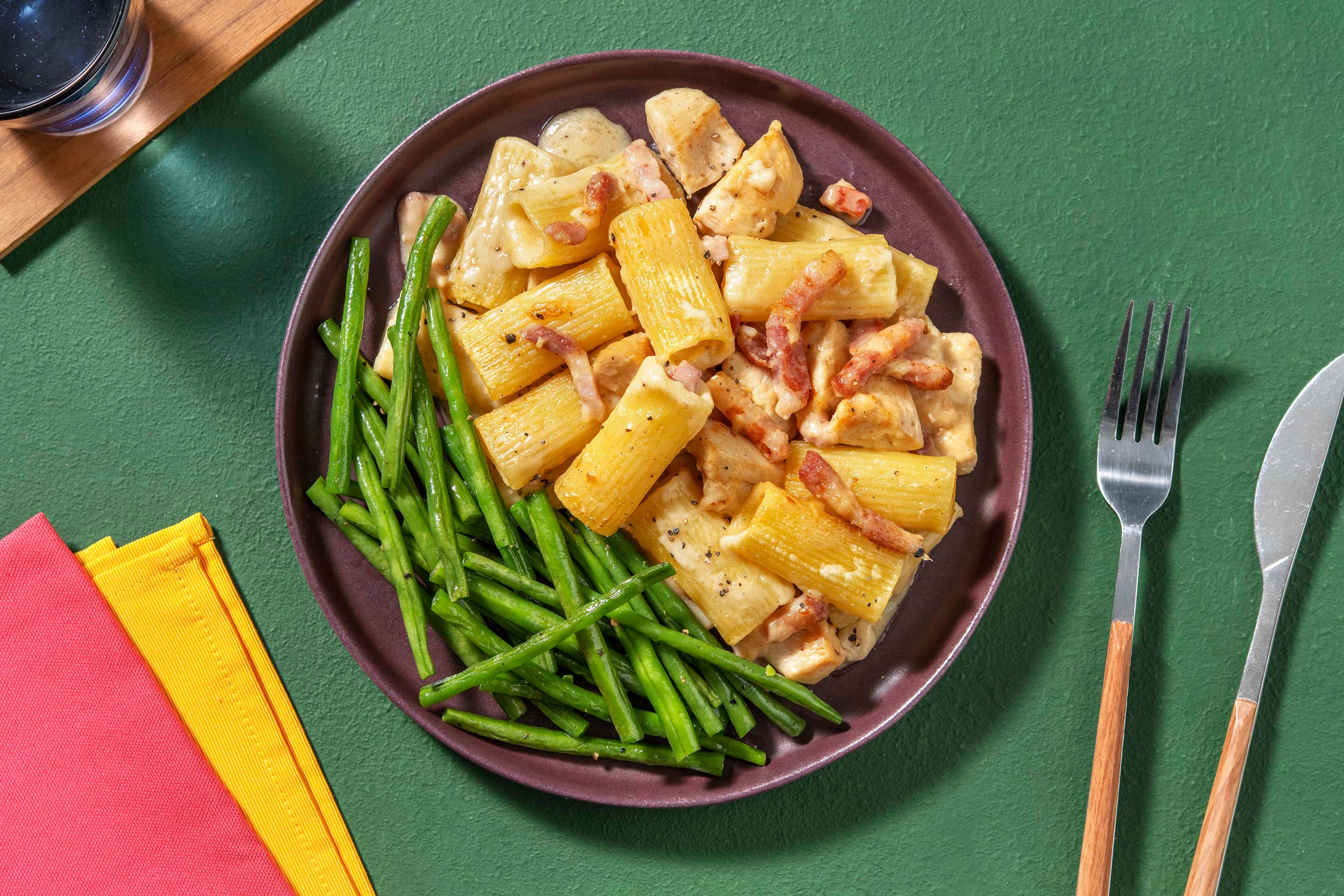
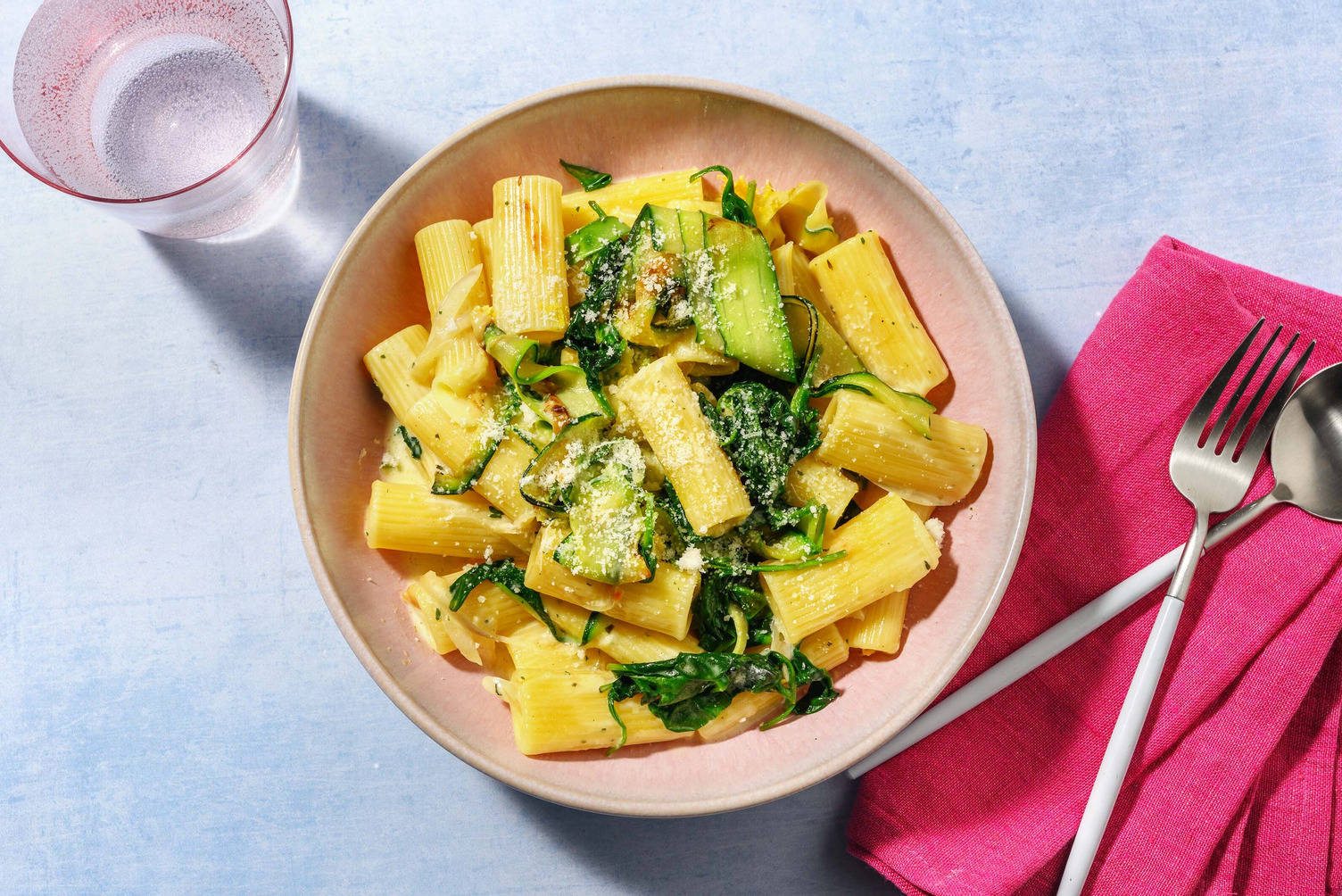
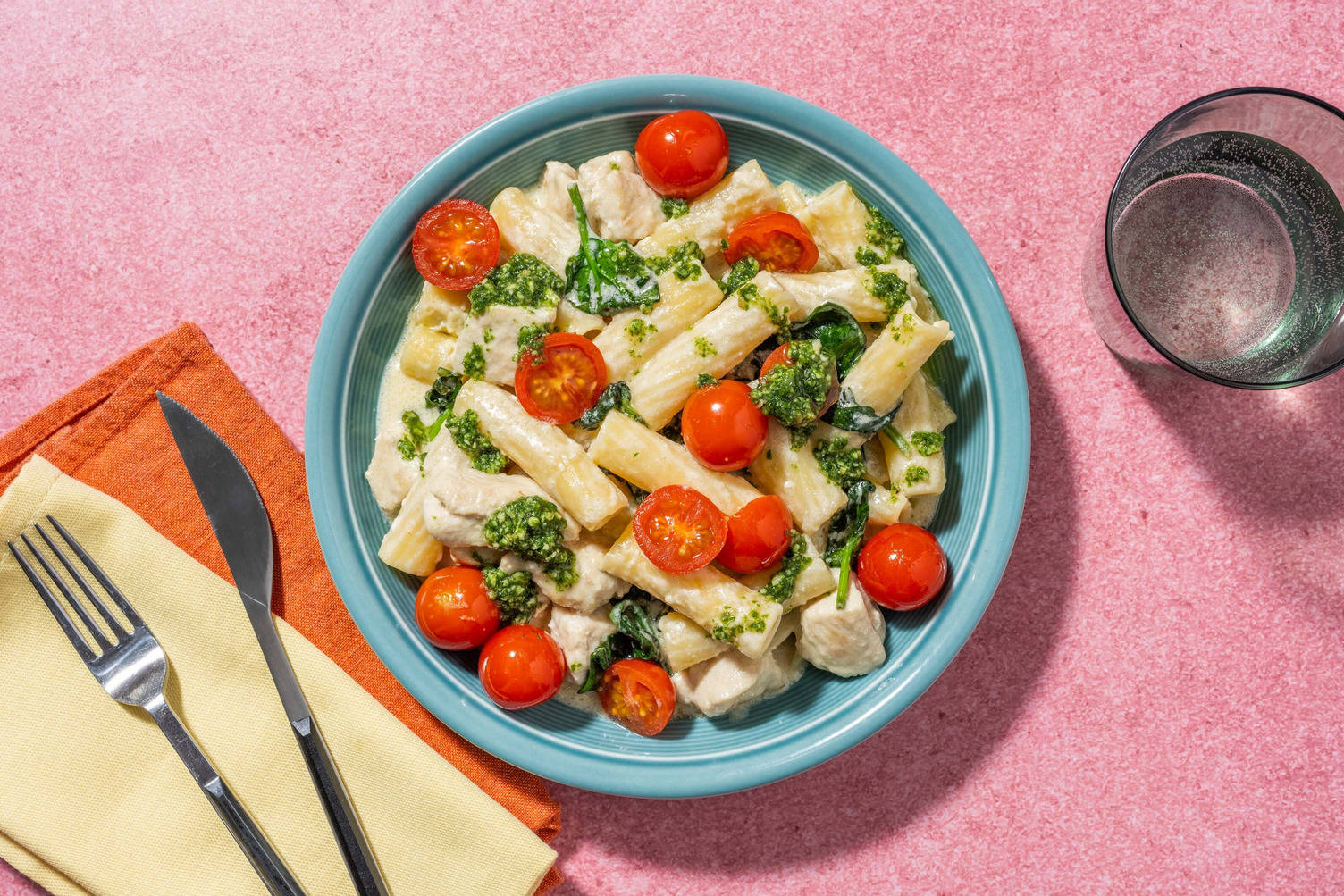
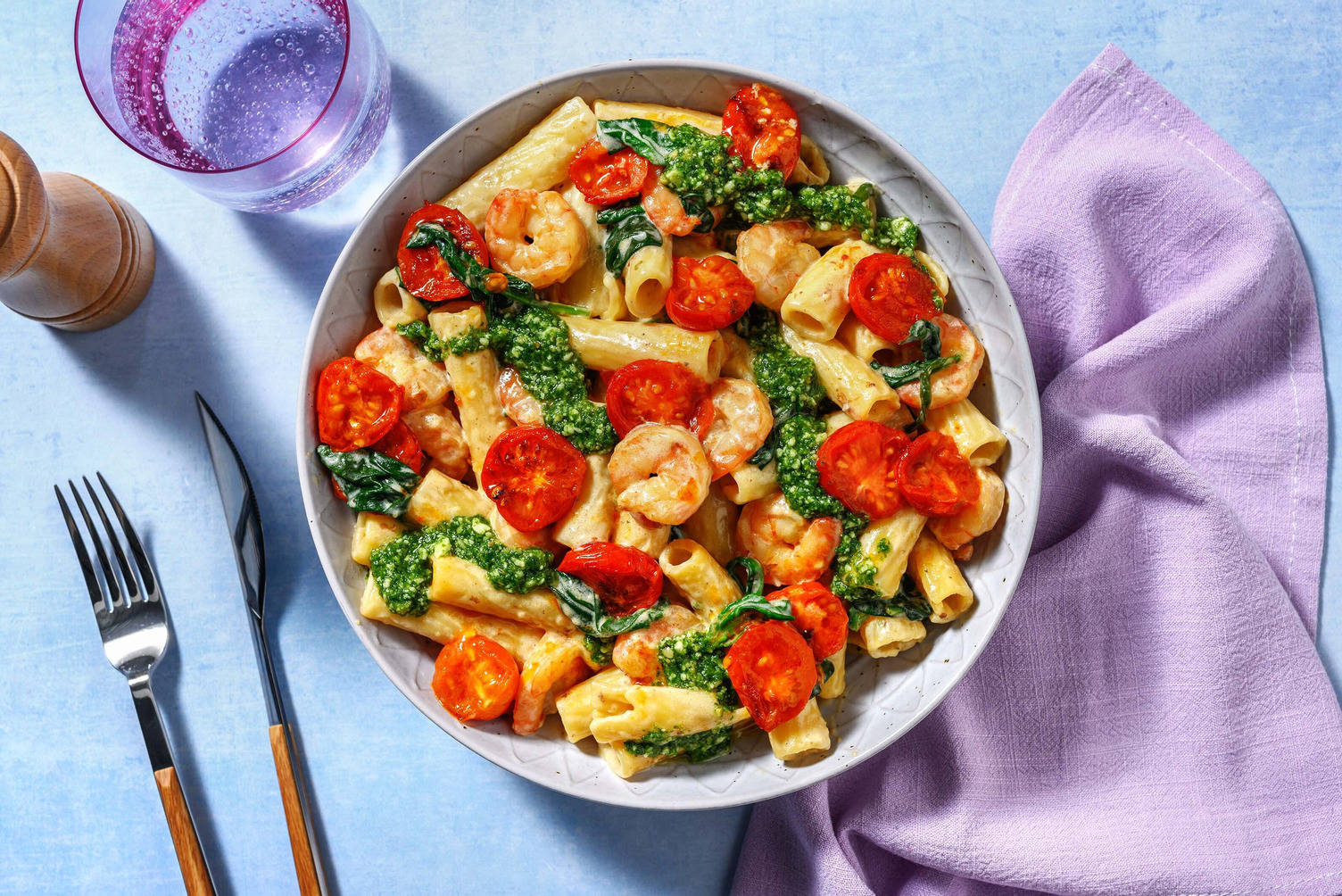
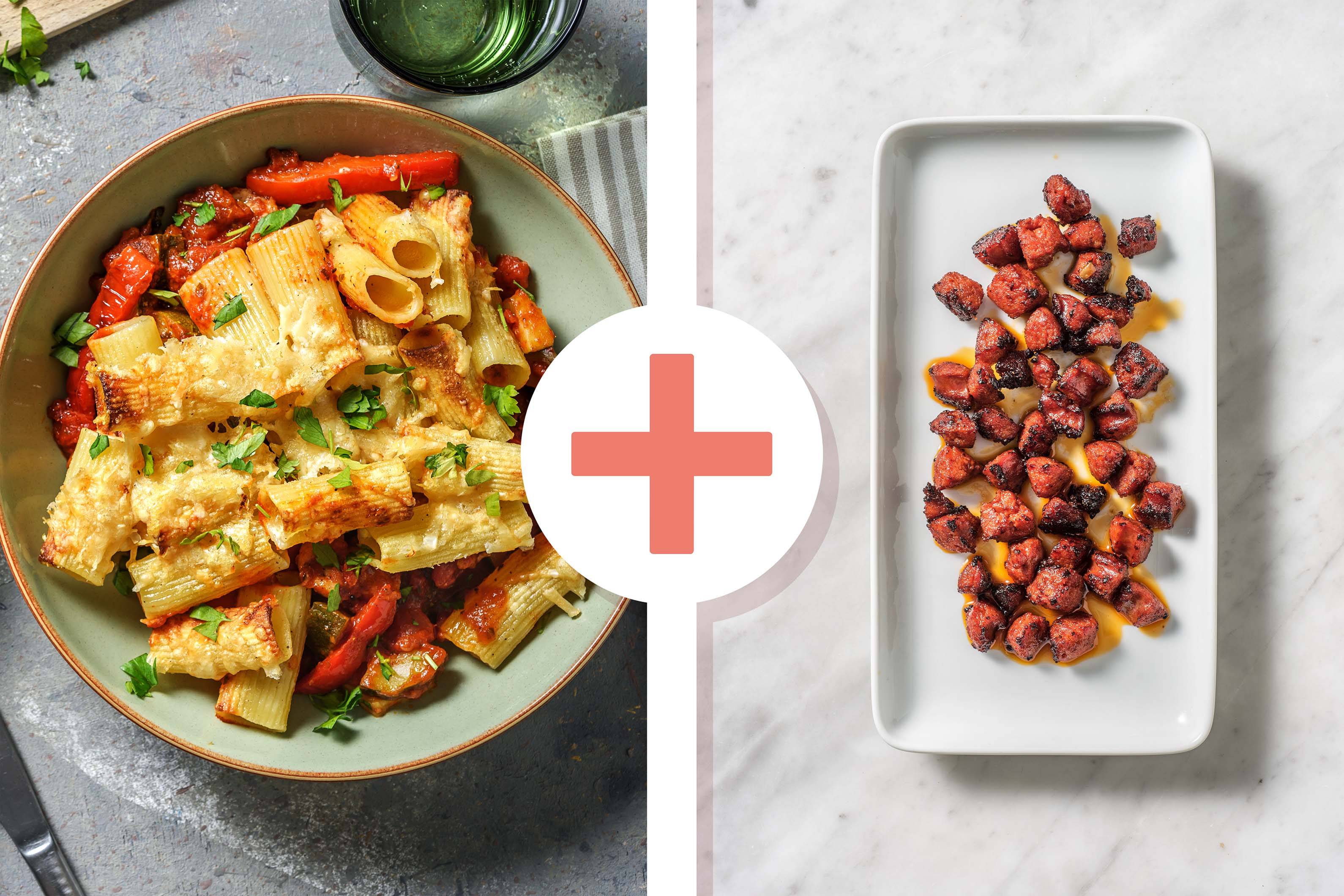
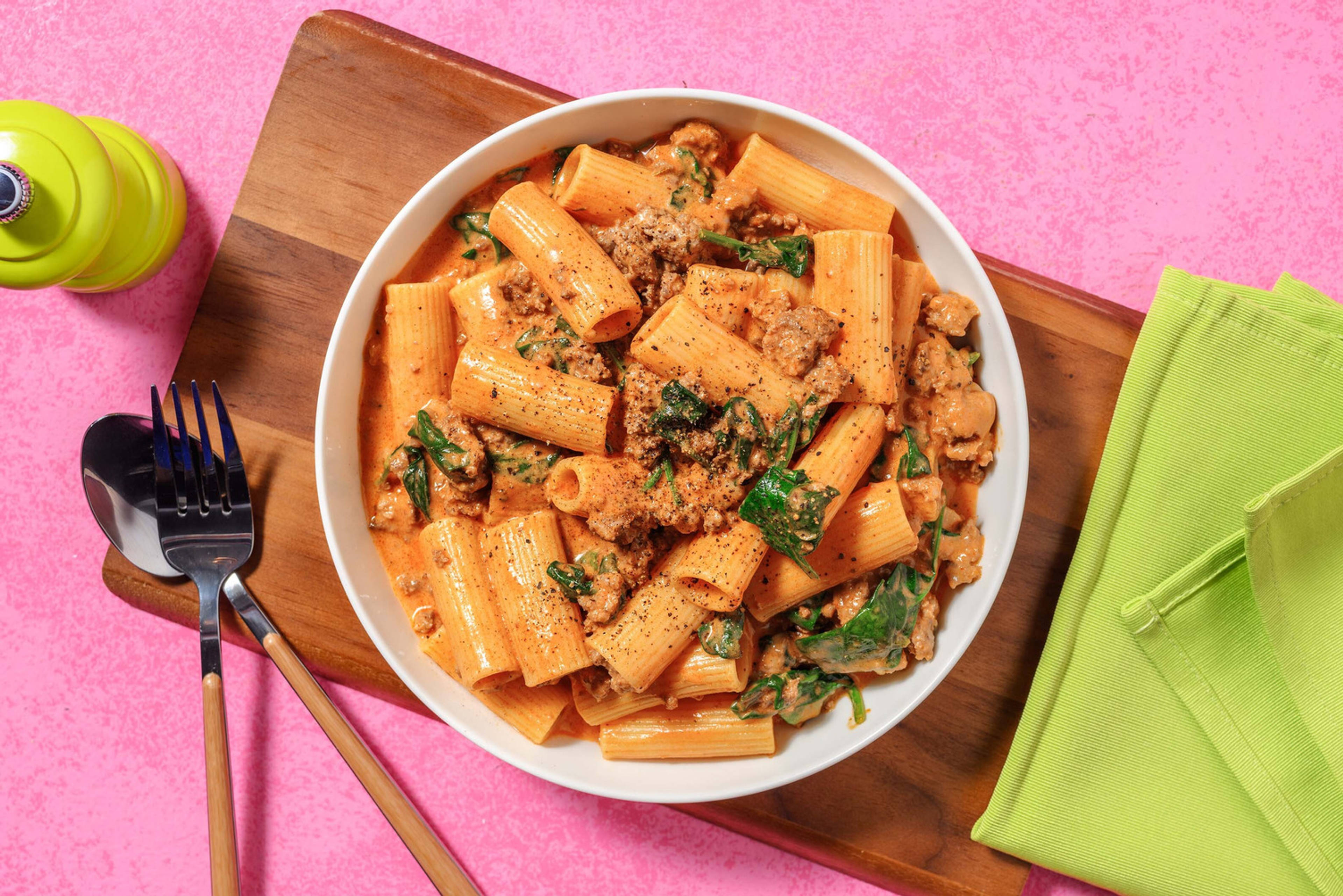
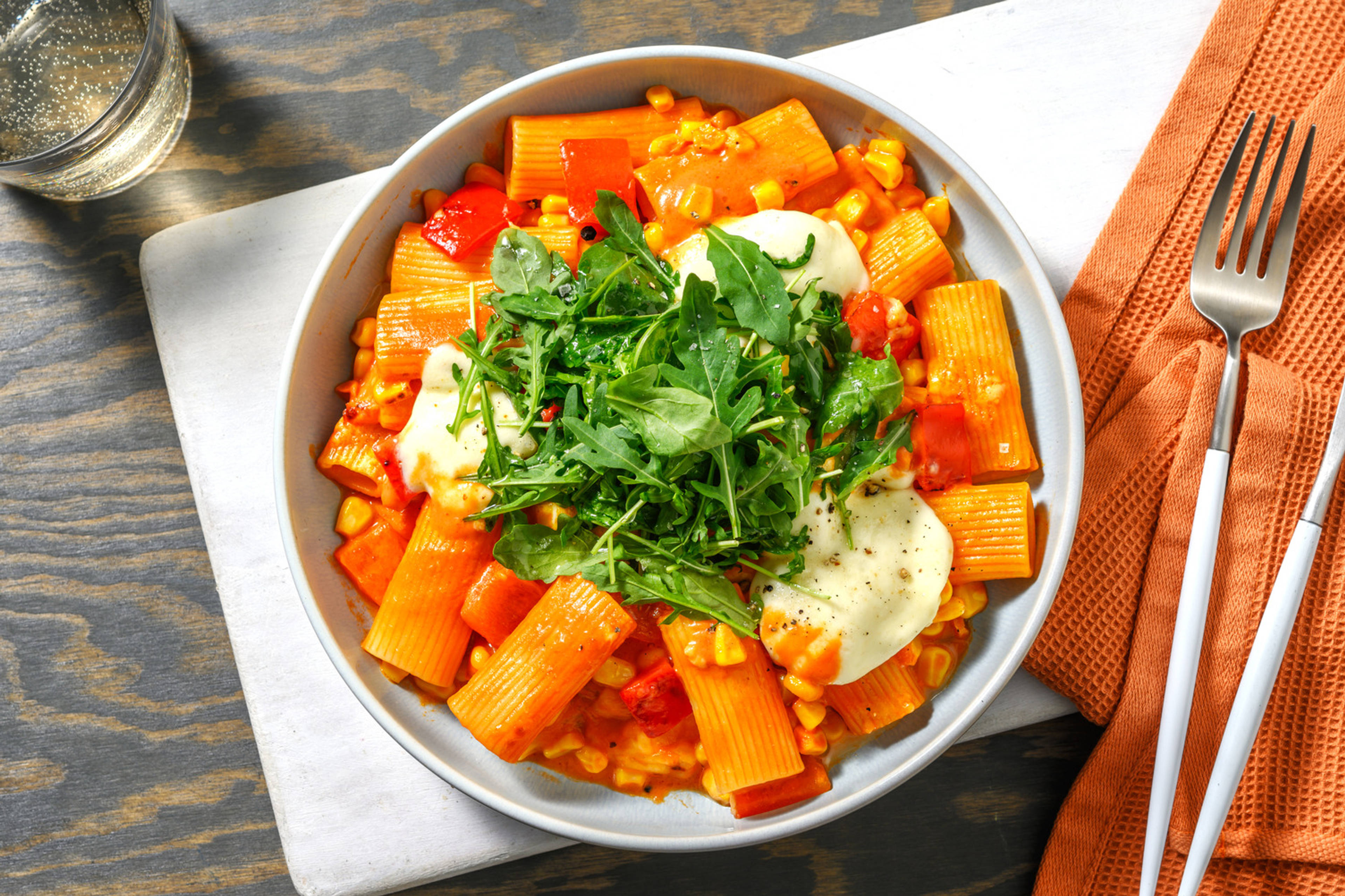
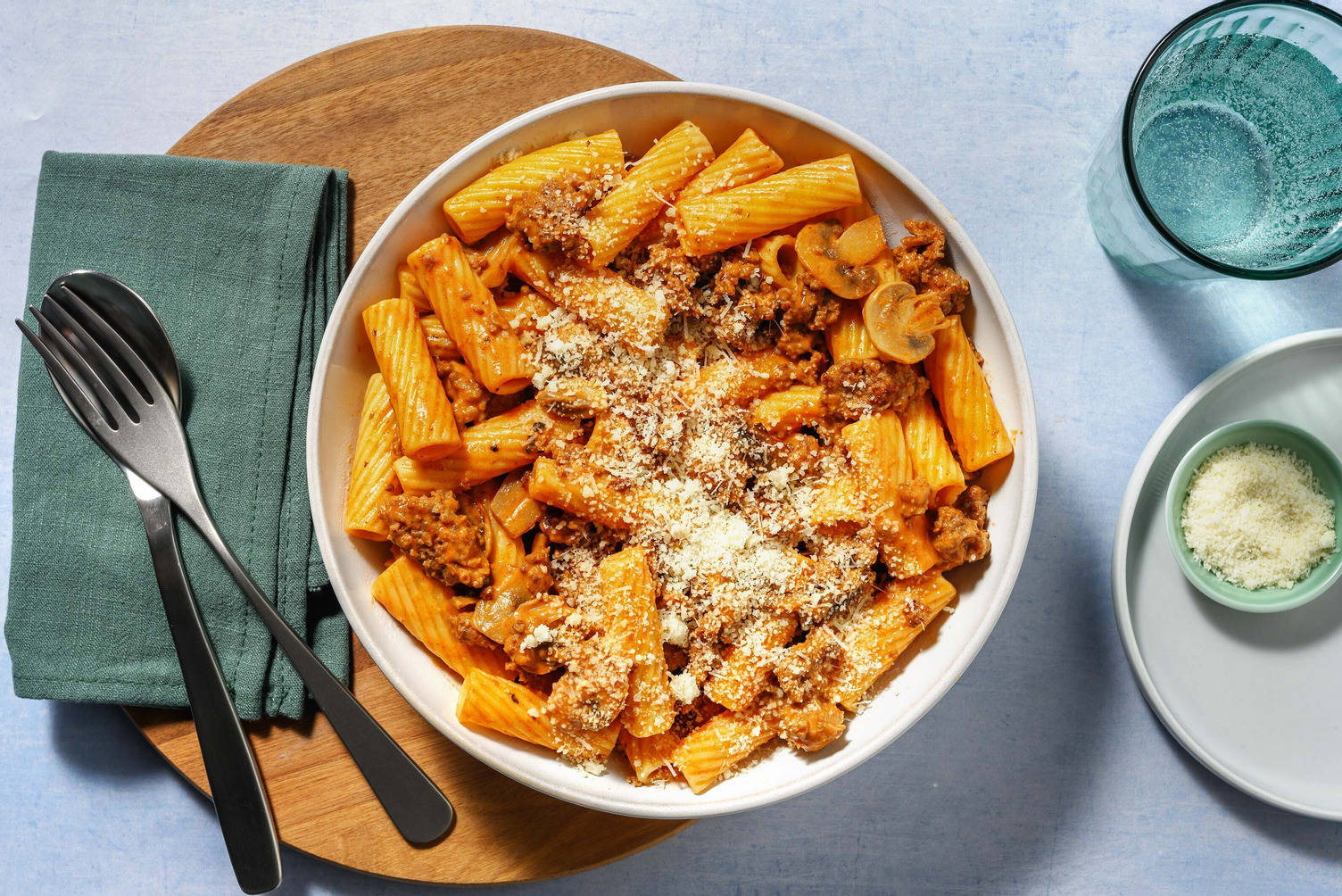
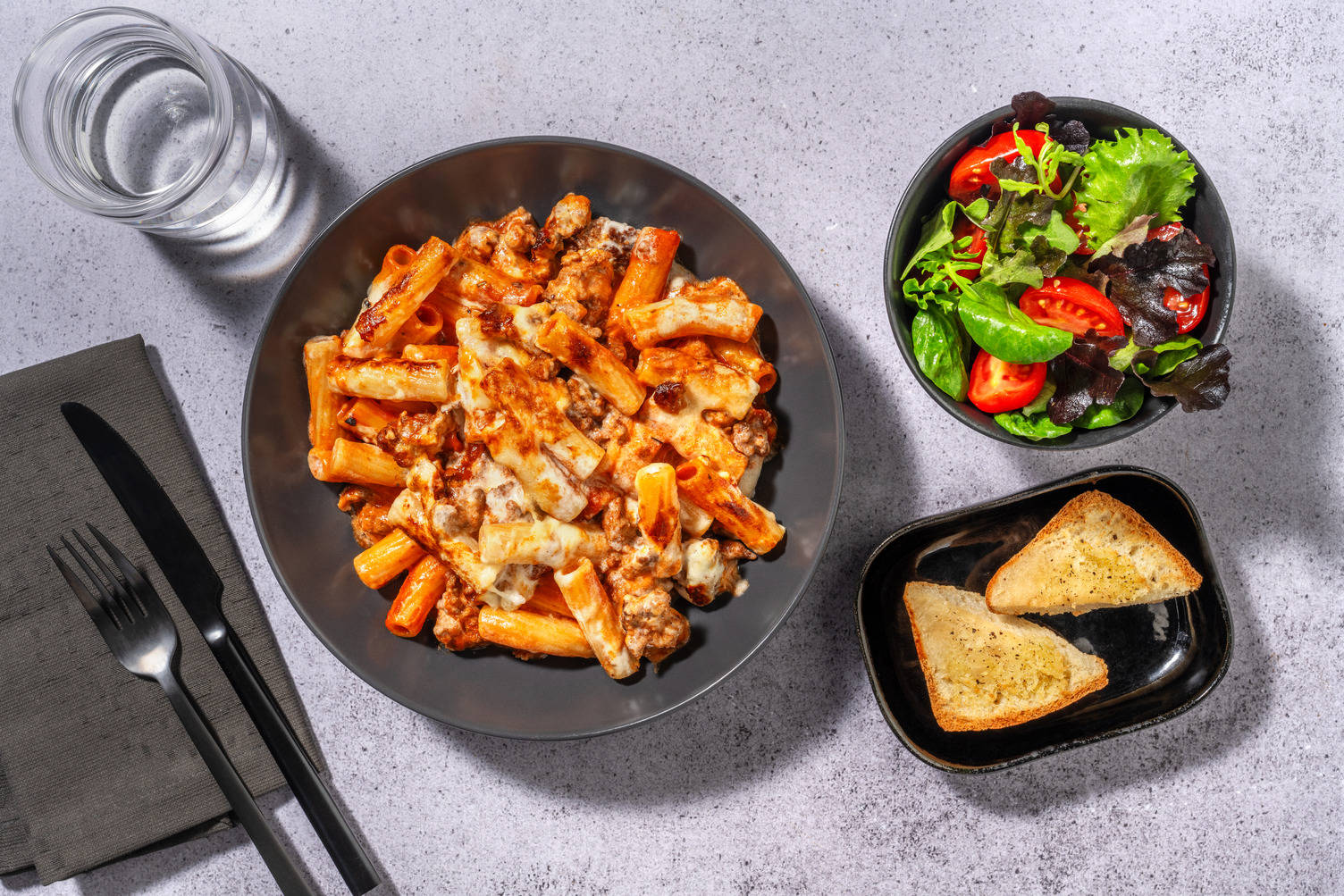
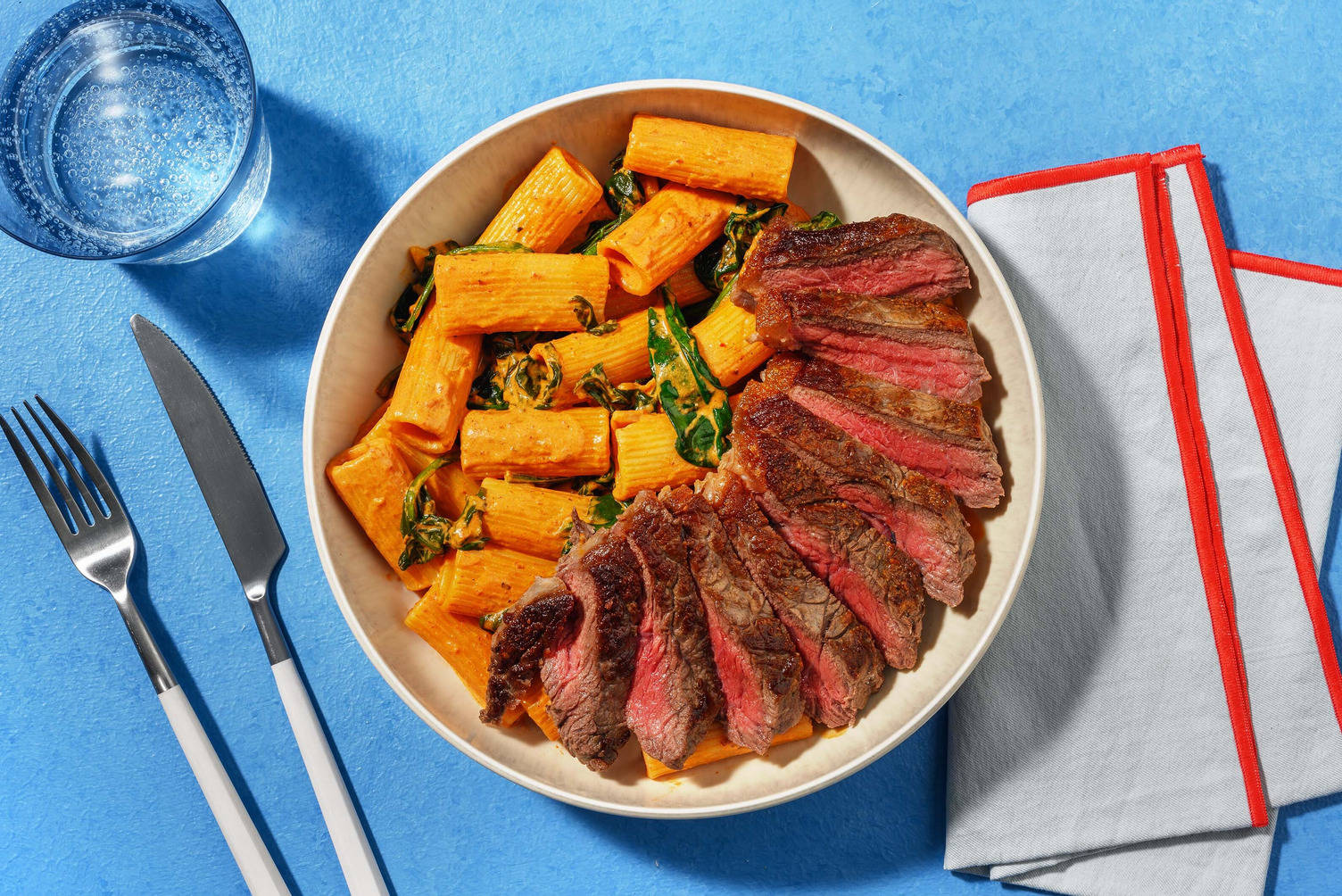
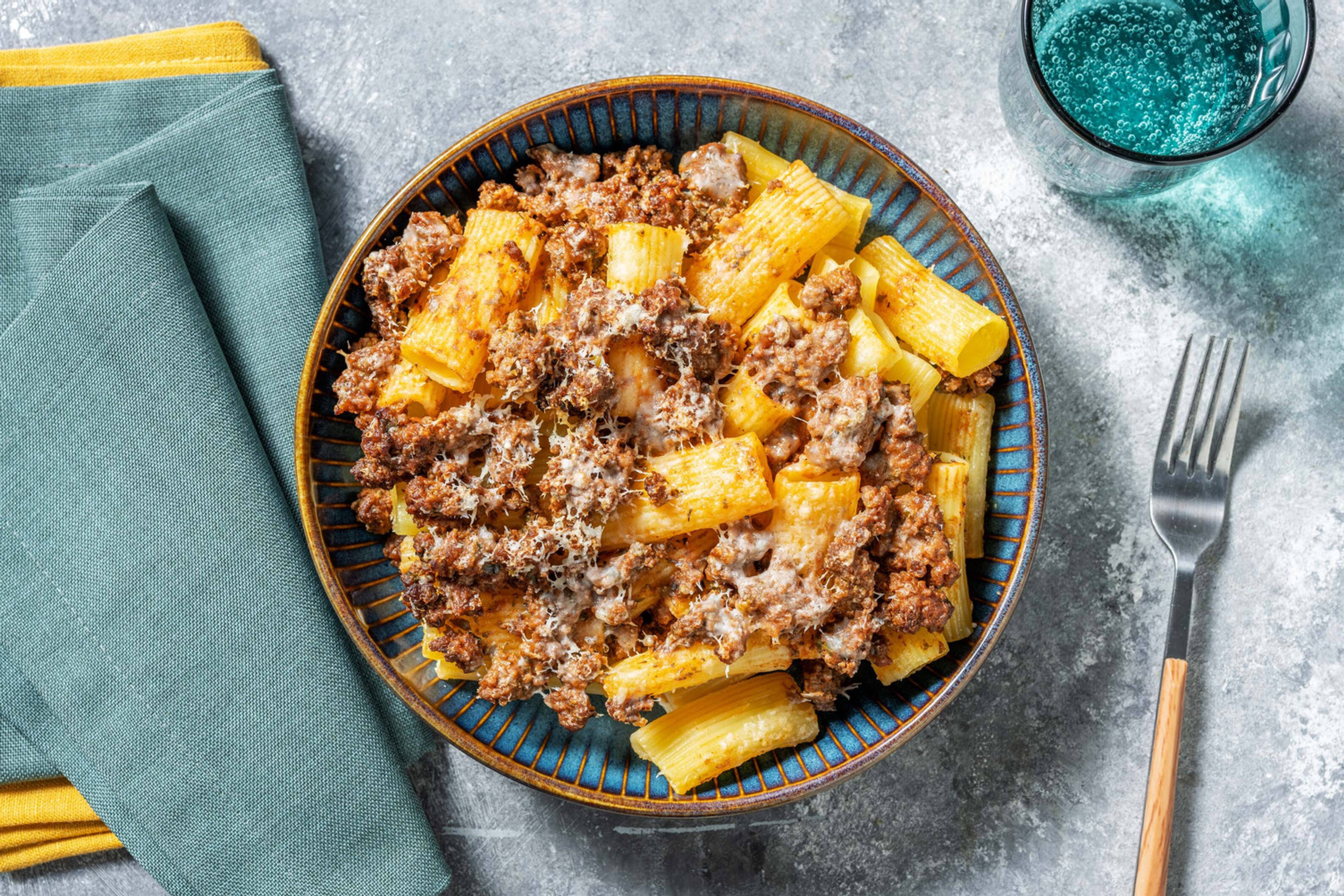
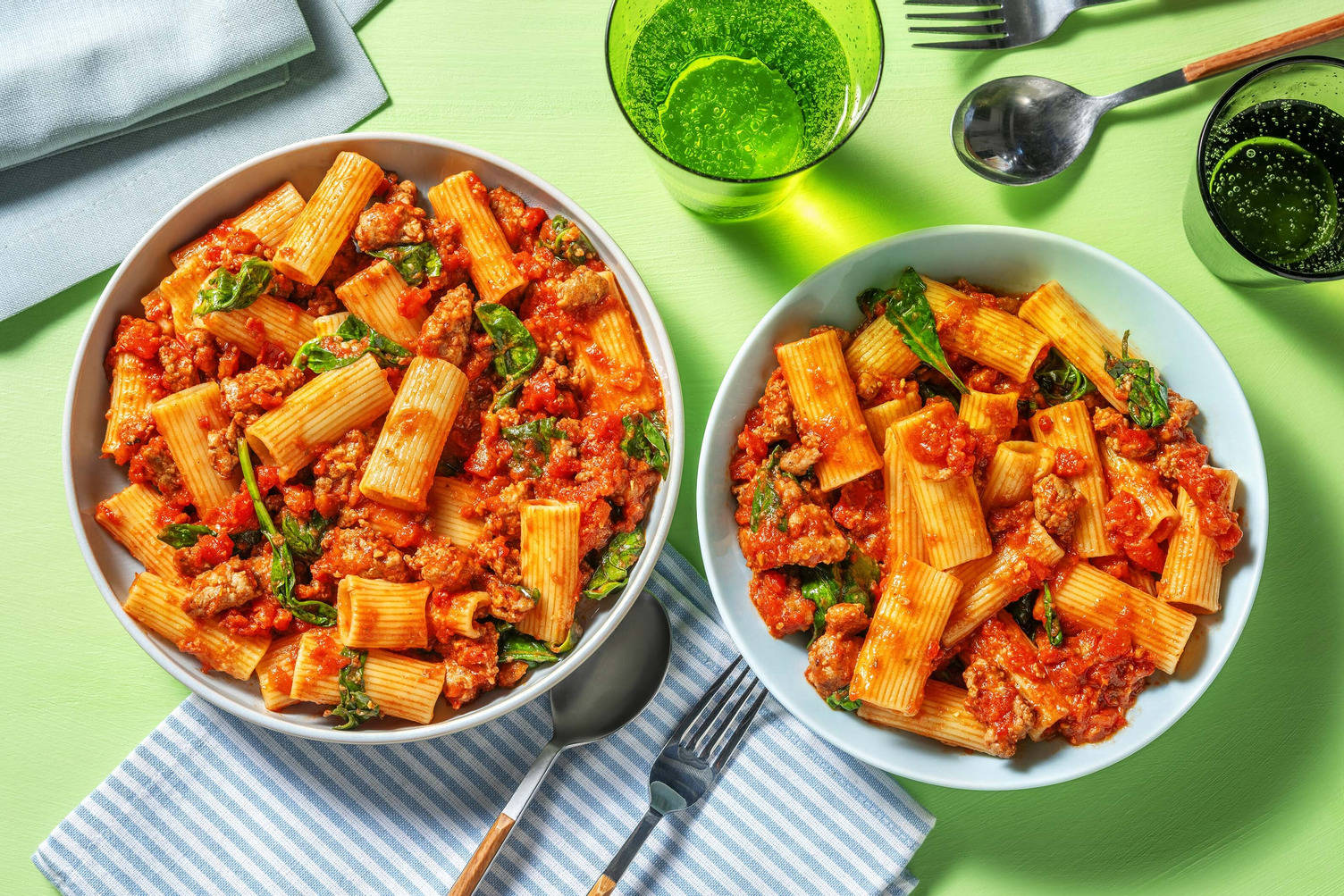
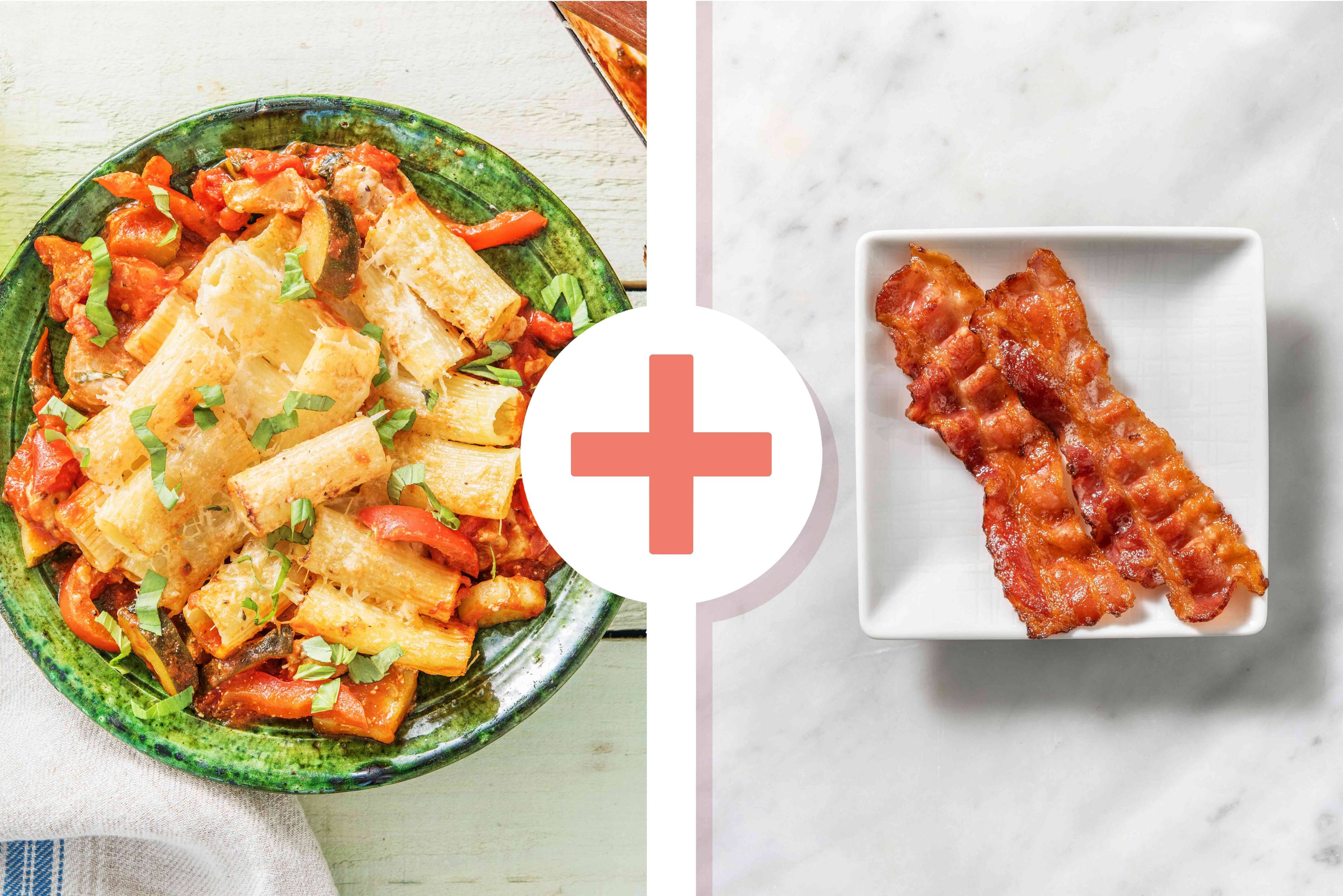
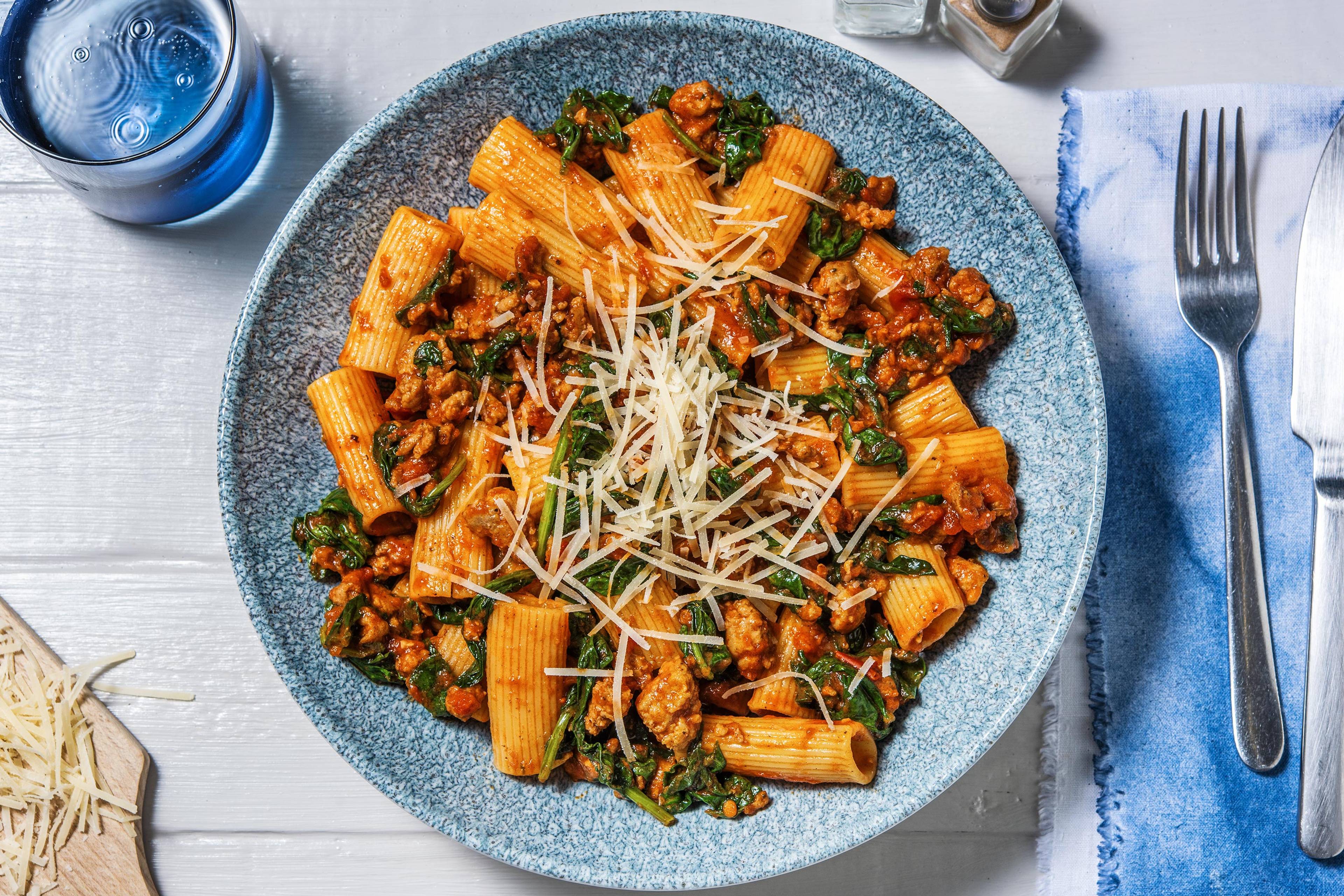
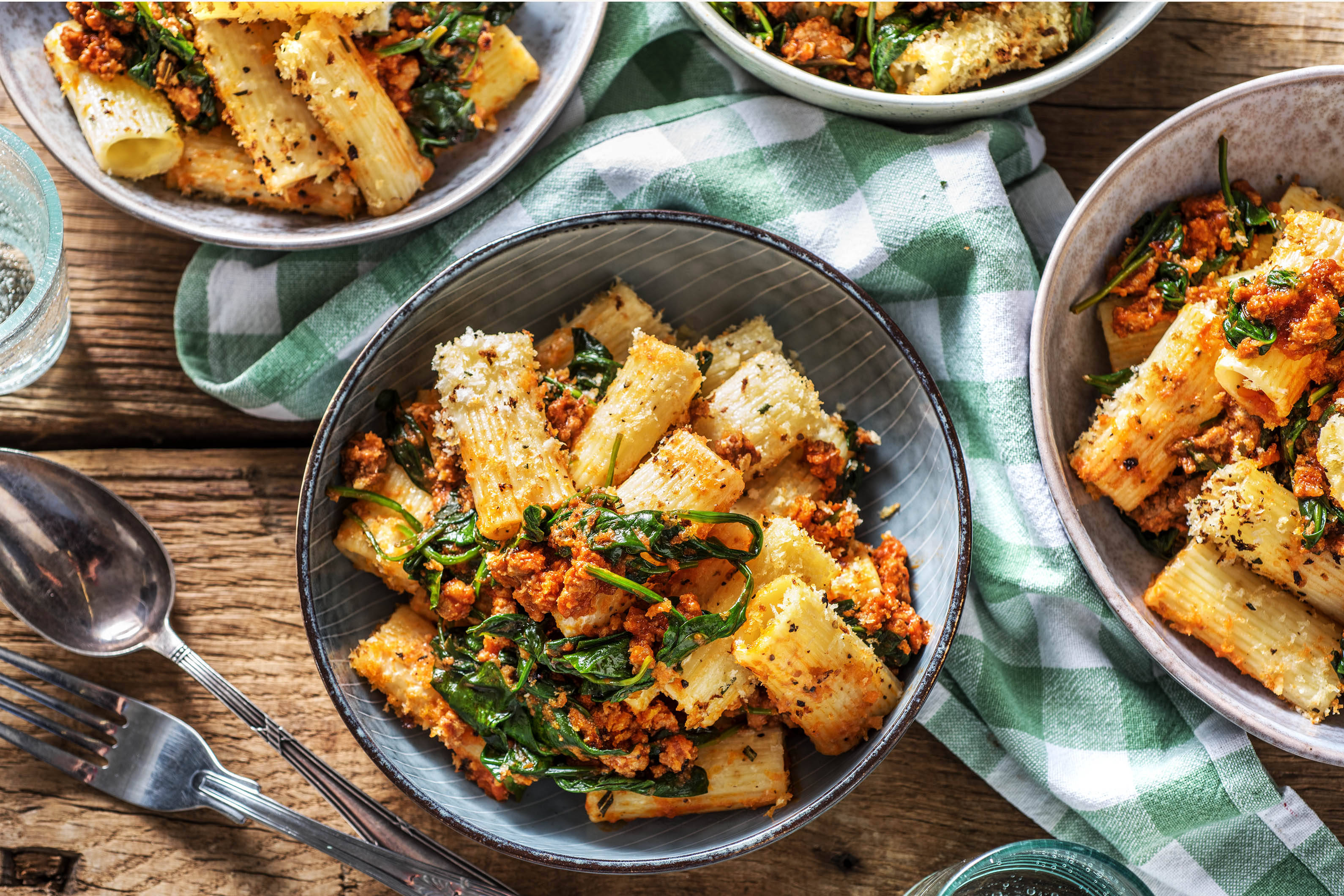
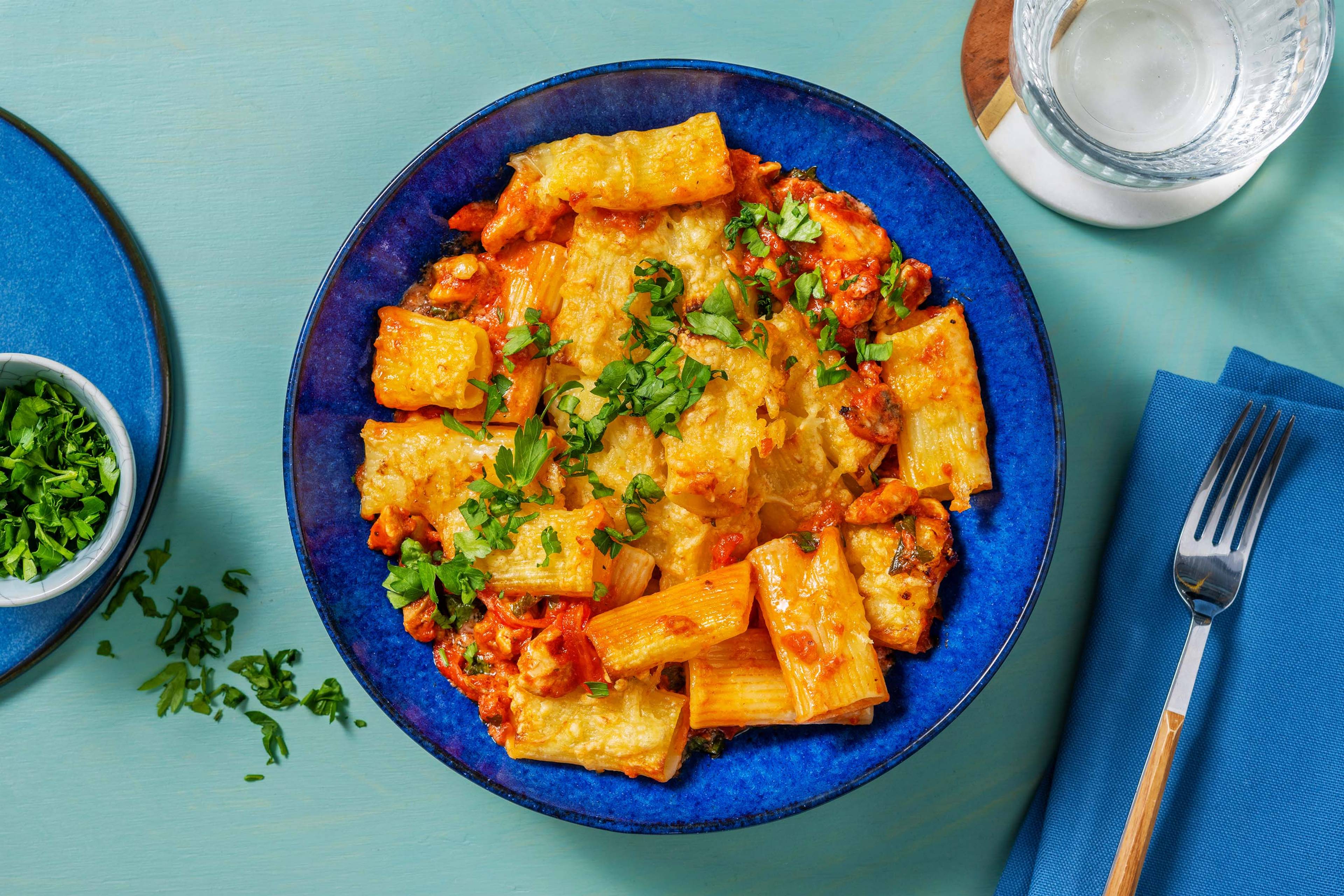
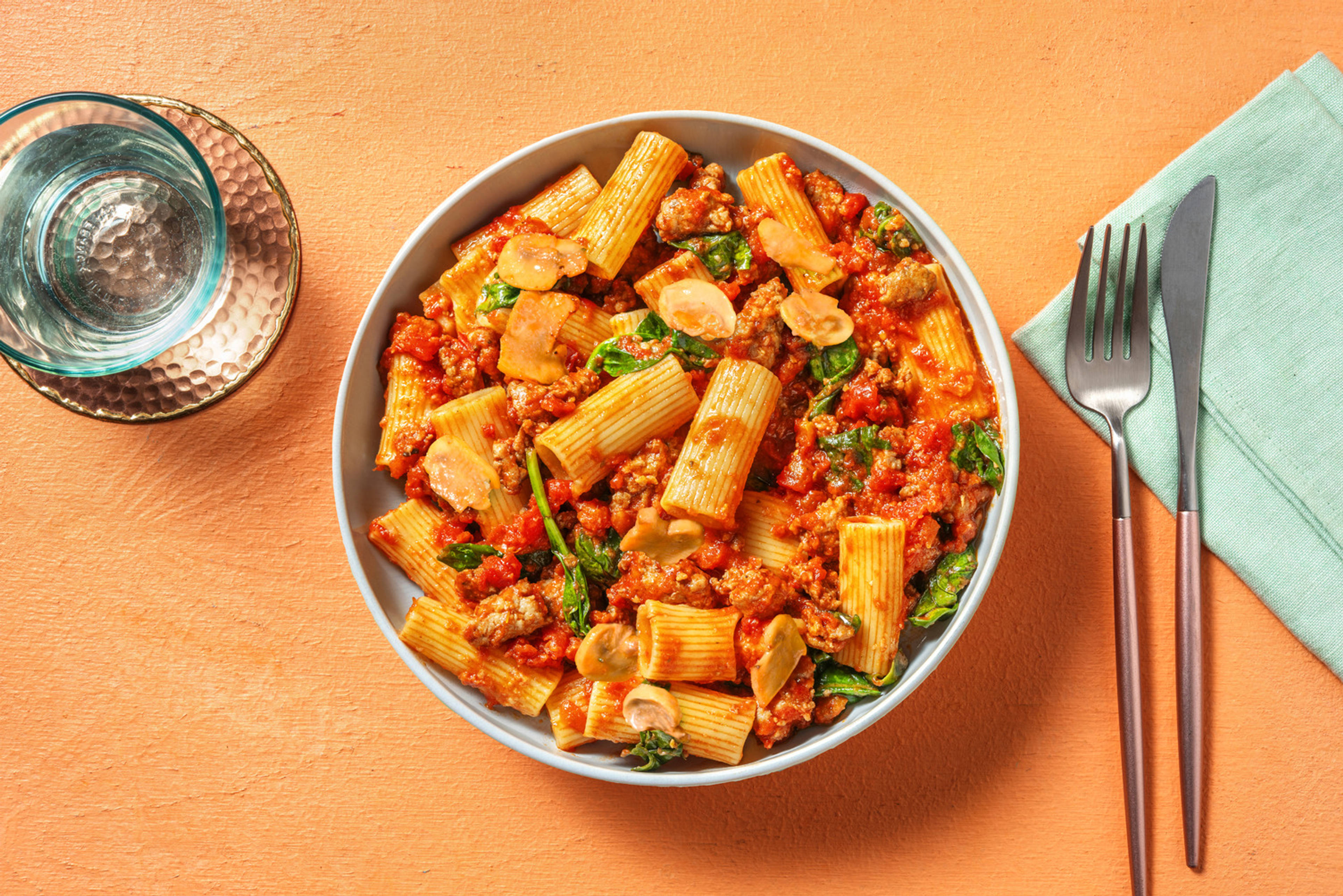
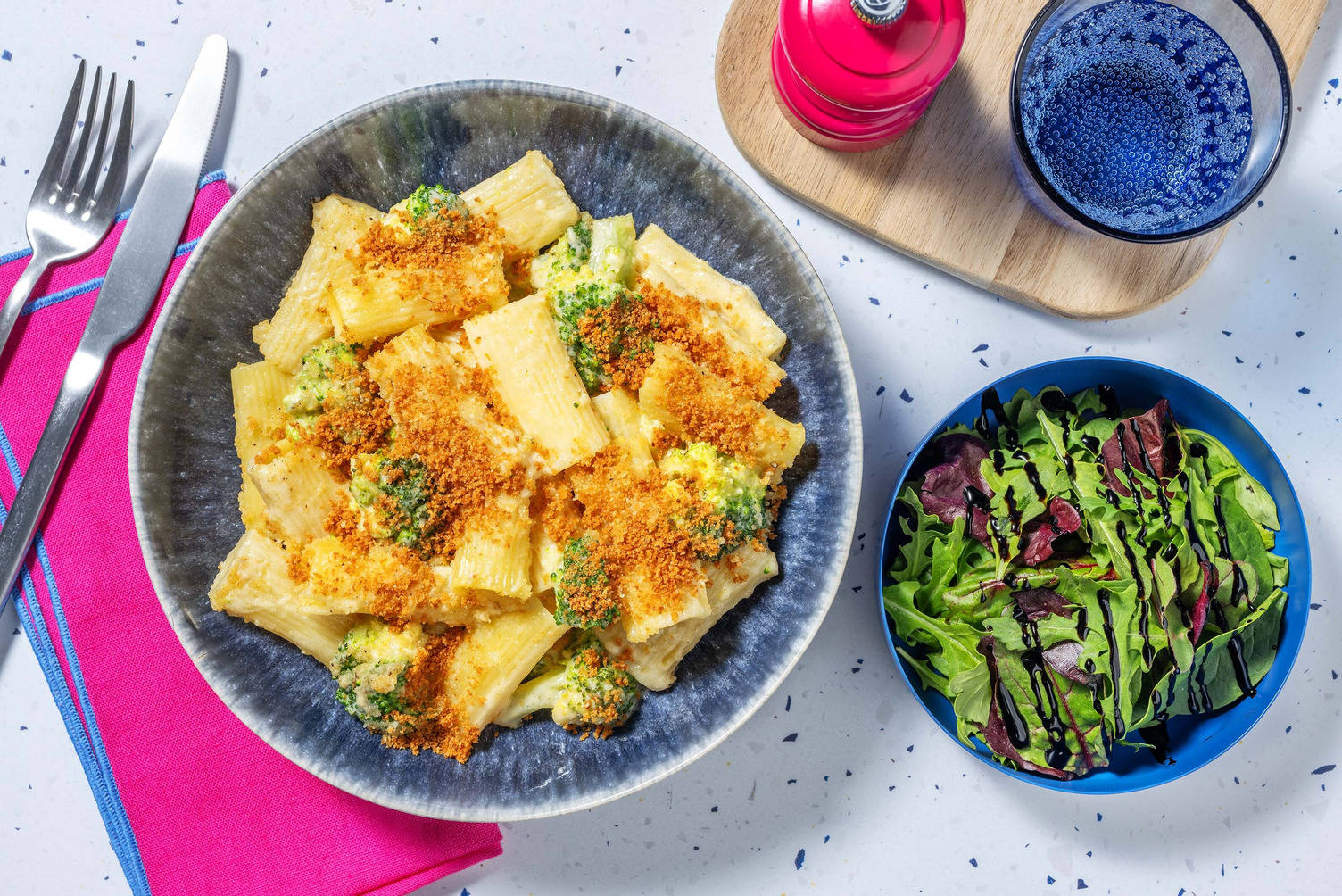
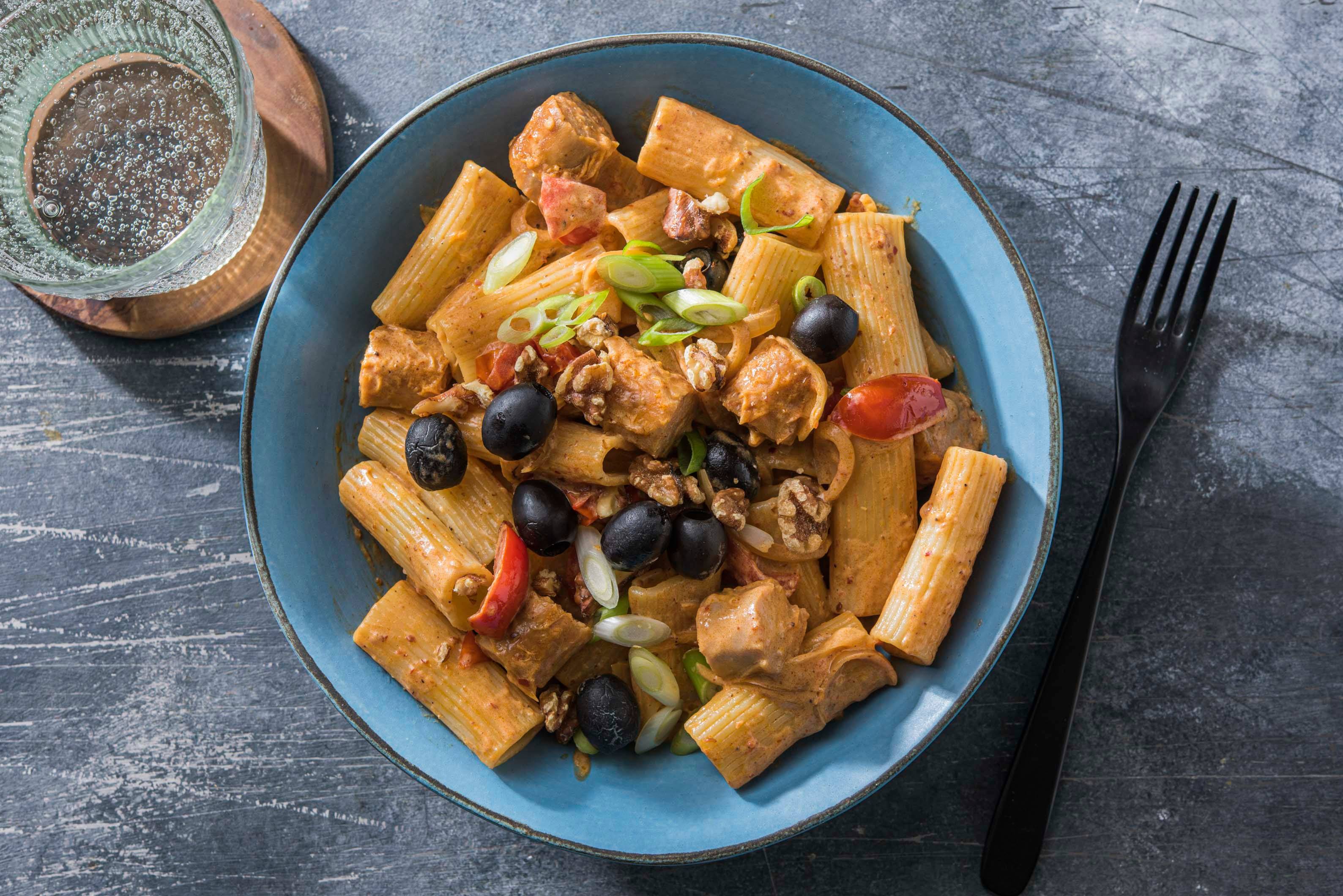
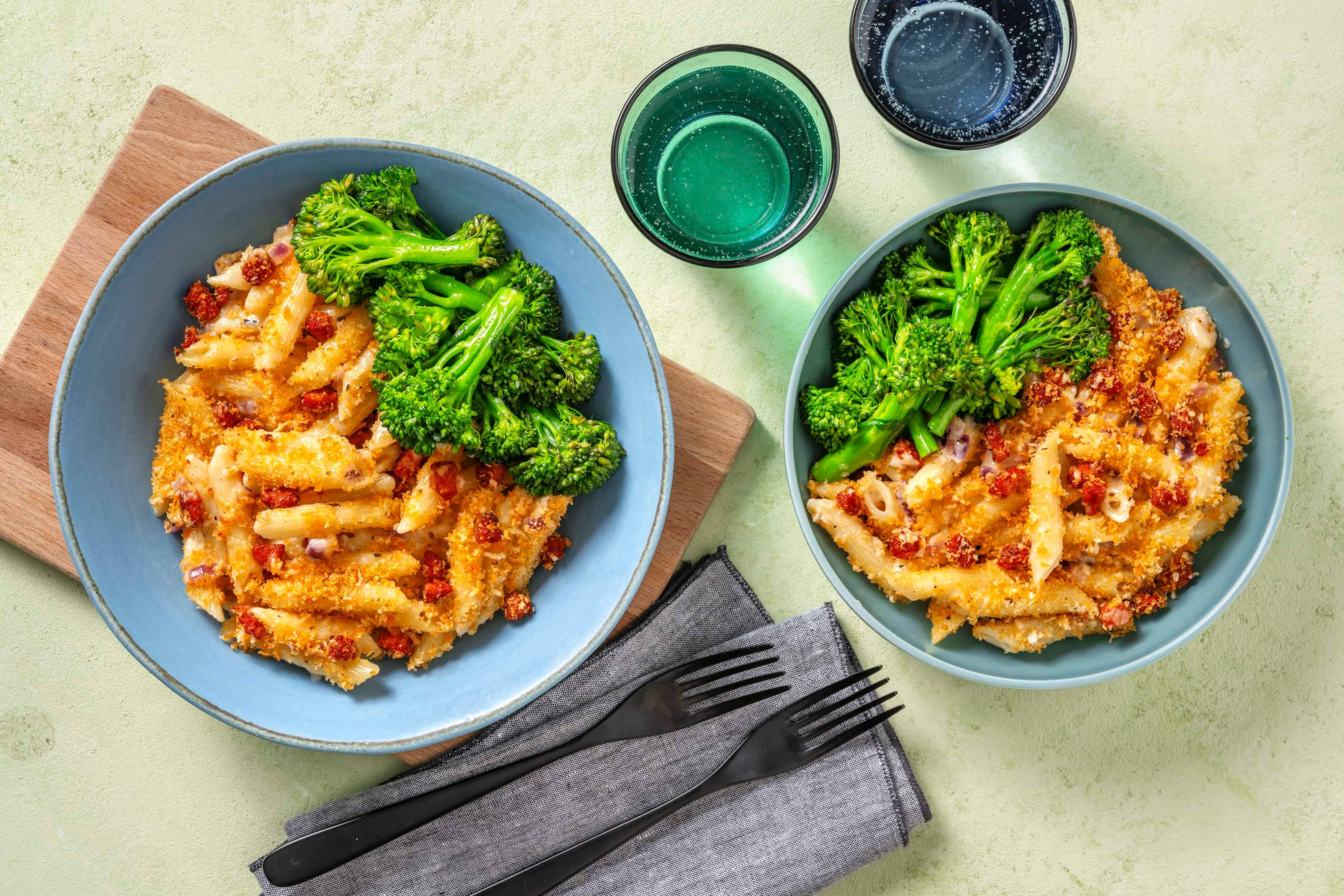
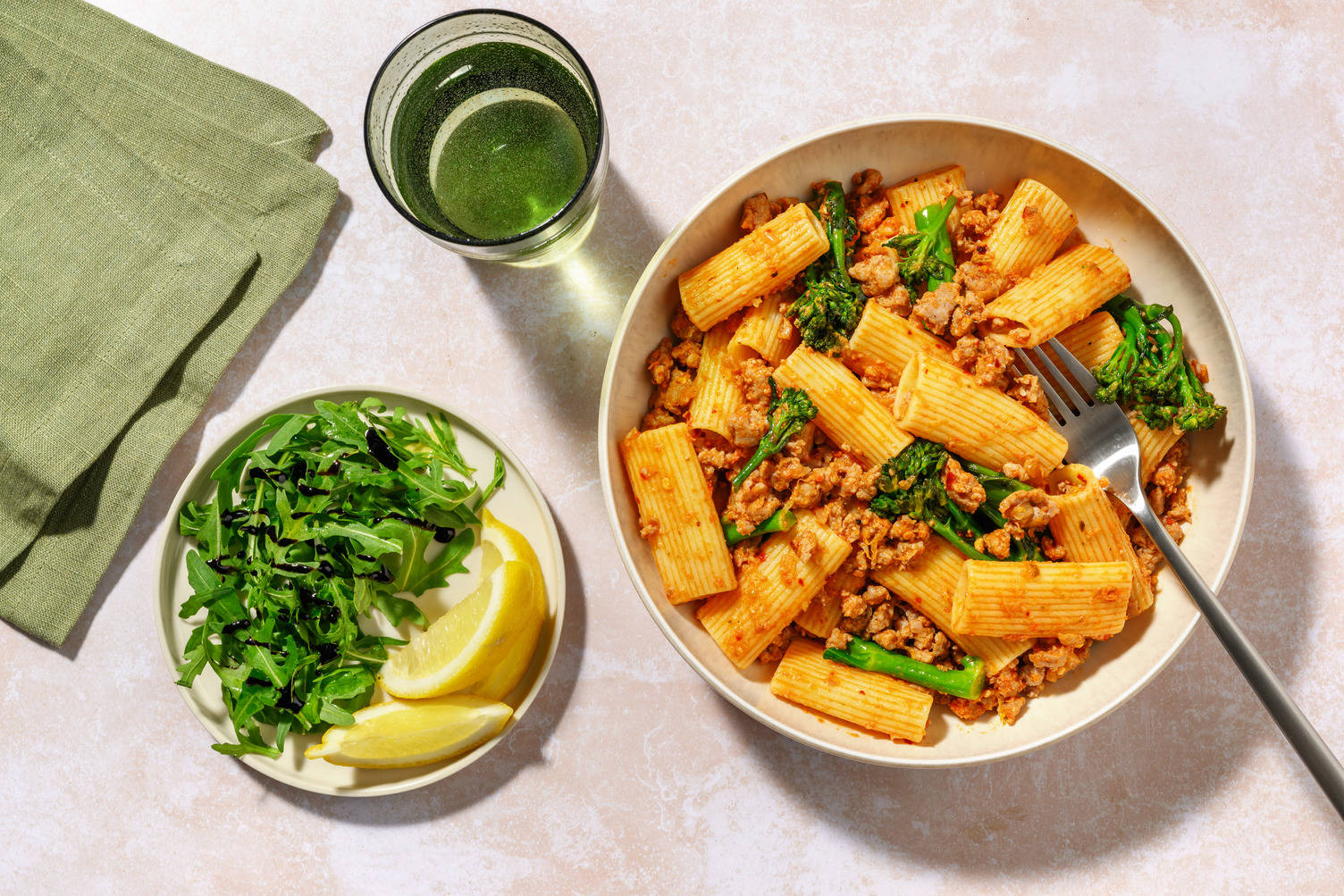
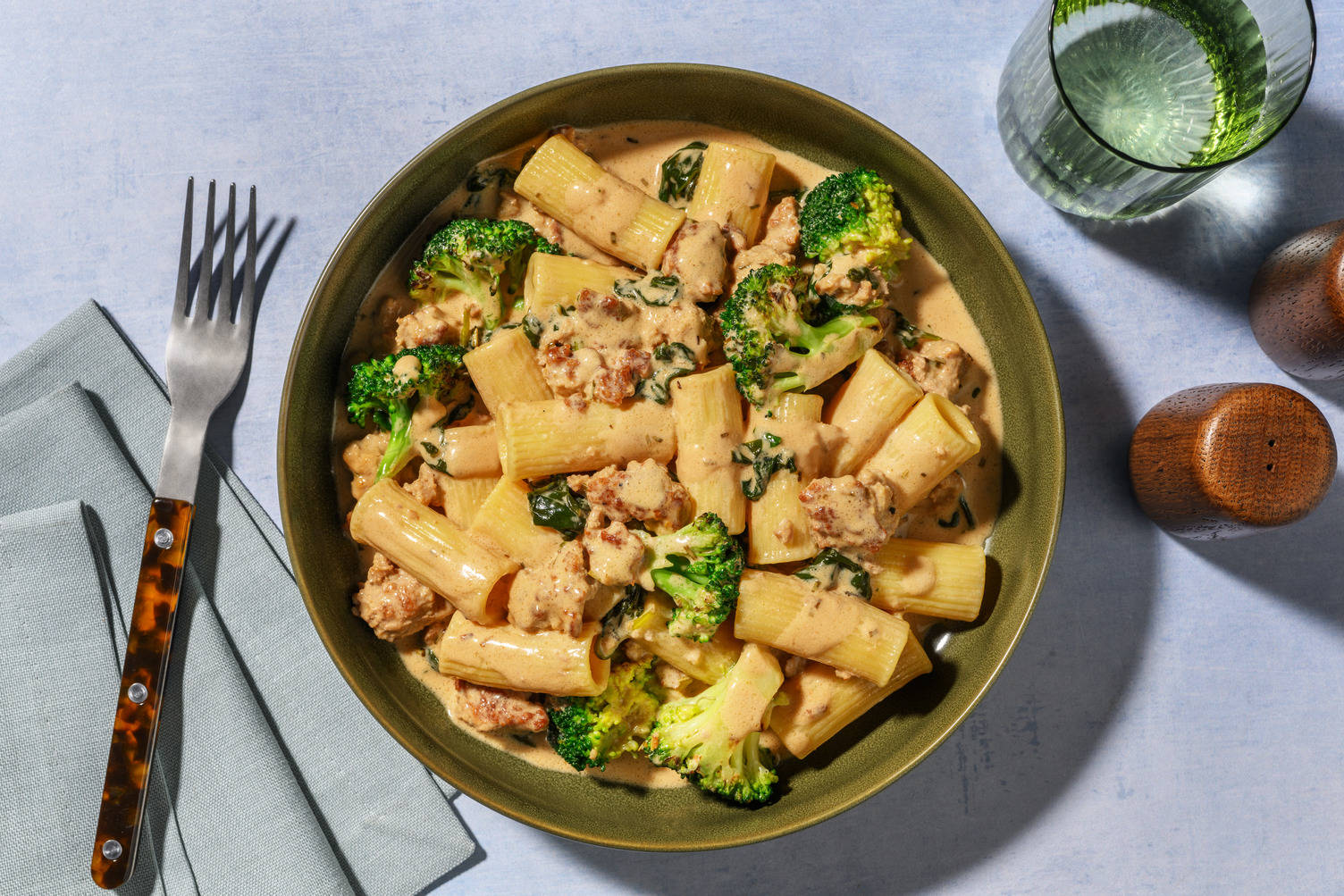
From indulgent baked rigatoni to the basis for traditional Italian dishes, rigatoni is one of the most well-loved and versatile pastas around.

Get inspired

How to Cook Rigatoni

How to Cook Rigatoni

As with most pasta recipes, rigatoni is best served al dente, meaning it’s still slightly firm when bitten. Cooking rigatoni al dente not only enhances its texture, but also allows it to better absorb the flavours of the sauce you choose to pair it with, resulting in a delicious dish that will guarantee clean plates.

If you’re looking for how to cook rigatoni to perfection, we recommend the following steps:

  • Step 1: Bring a large saucepan of water to the boil with 1/2 tsp salt.
  • Step 2: Add the pasta to your boiling water and boil for 10-12 mins.
  • Step 3: Once cooked, drain the pasta in a colander.
  • Step 4: Pop back in the pan, drizzle with oil and stir through to stop it sticking together, until you’re ready to add it to your sauce and other recipe components.

Top tip: Senior Recipe Development Manager, Mimi Morley, recommends saving some of the water when you drain the pasta, to add starch to the pasta sauce. This expert hack will help your sauce stick better to the rigatoni, creating a smoother and more flavourful end result.
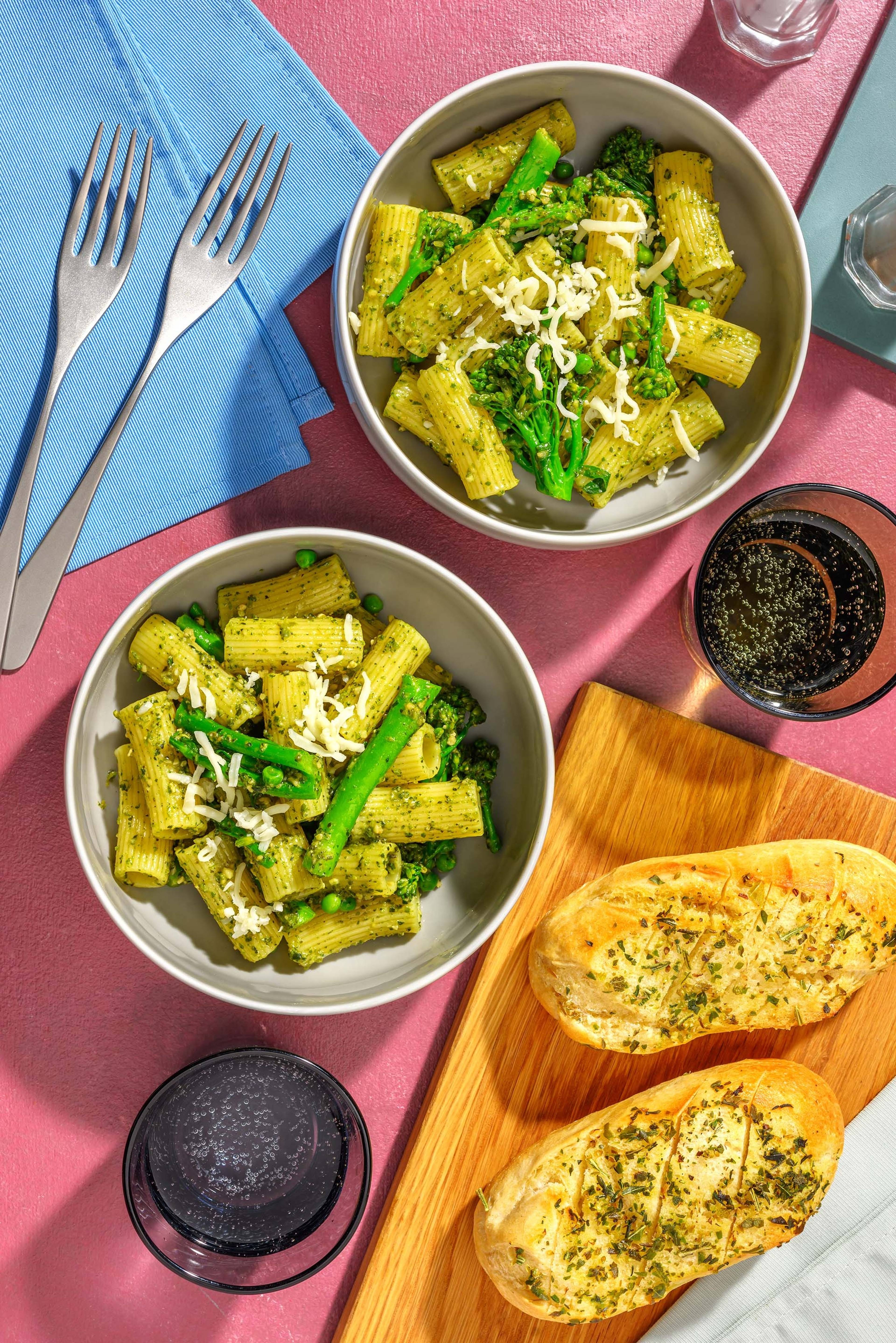
Origins of Rigatoni Pasta

Origins of Rigatoni Pasta

Rigatoni was first made in 19th century Italy, coinciding with the time machines started to appear in Italian cuisine to prepare several types of pasta. Similar to penne, this particular pasta style is detailed with small stripes, which leave shallow ridges along the surface and allow the pasta to better retain the sauce you choose to pair it with more effectively.

Fun fact: Sicilian families traditionally used rigatoni to make a beloved local dish called ‘taganu’. In this special dish, the rigatoni was baked in a terracotta bowl, which was then broken open before serving to keep the dish's perfect round shape intact.

Looking back even further, beyond the 19th century rigatoni shape we know and love now, a version of rigatoni is believed to have originated in the Lazio region, where it became a staple in many classic Roman dishes. Its name comes from the Italian word ‘rigare’, meaning ‘to groove’ or ‘to furrow’ which is evident in its ‘grooved’ external surface.

Enjoy hassle-free home-cooked meals with HelloFresh

Enjoy hassle-free home-cooked meals with HelloFresh

Order today and get 50% off your first box and a free KitchenAid Mini Chopper on your third!

Order HelloFresh