

Lentil Recipes

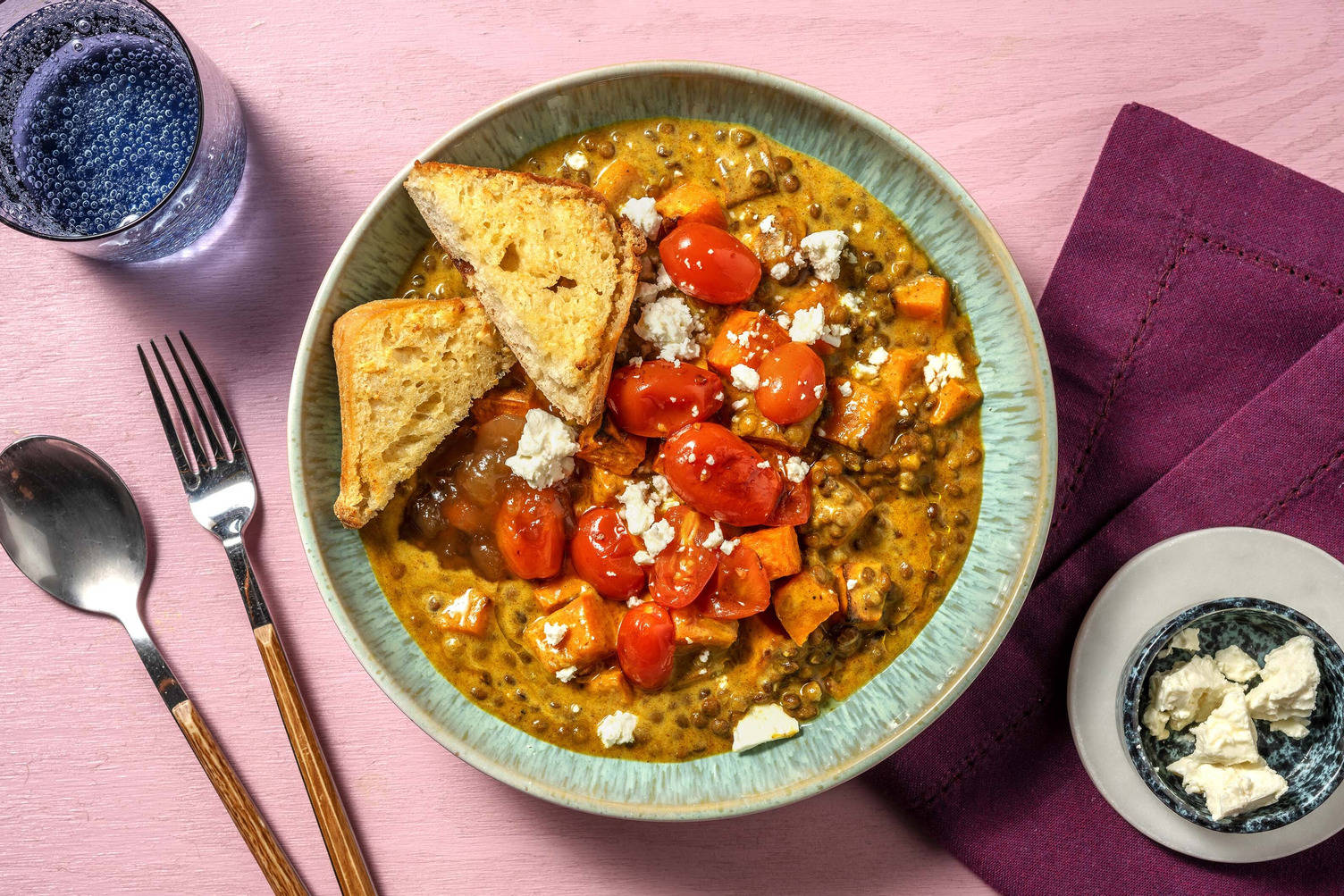
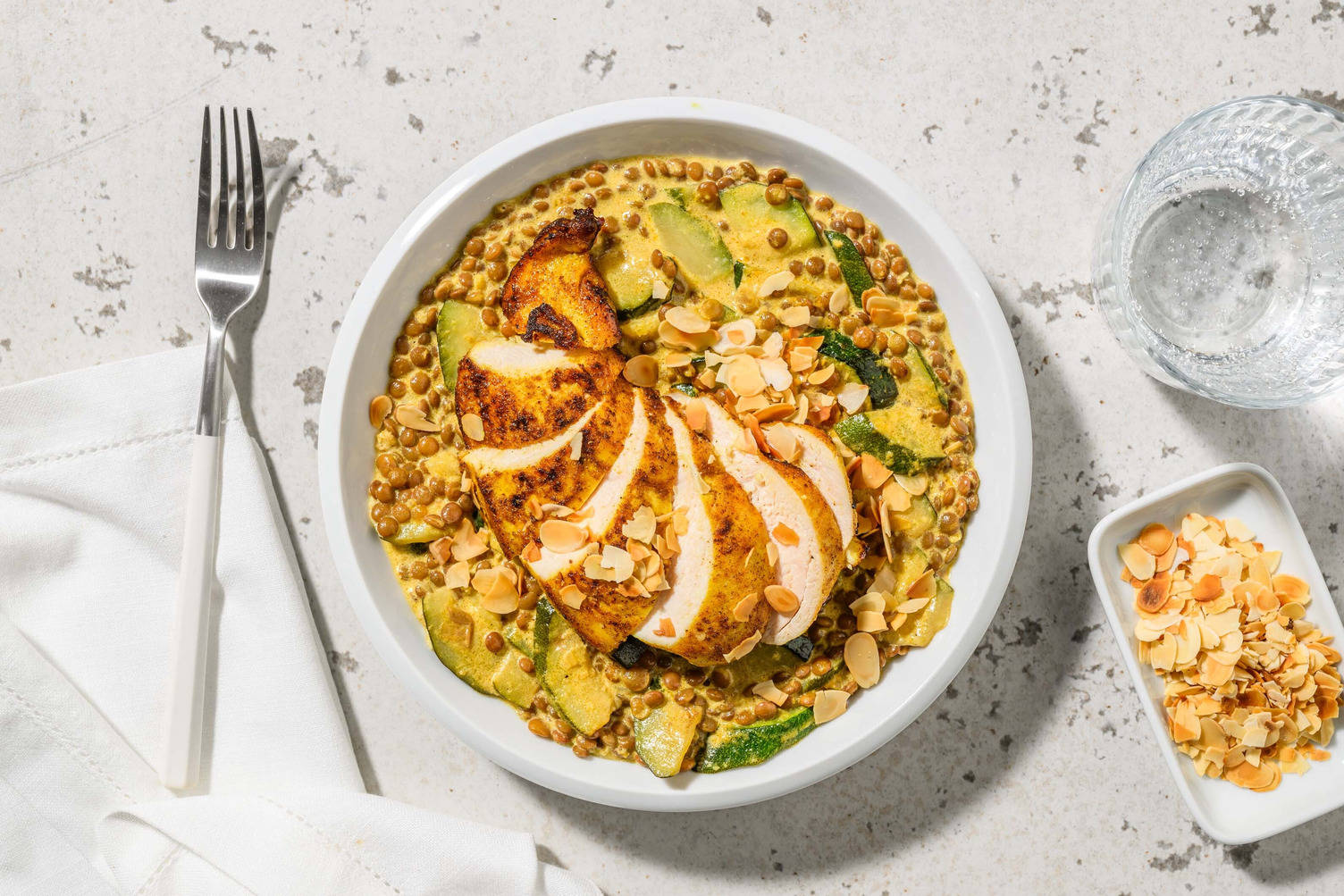
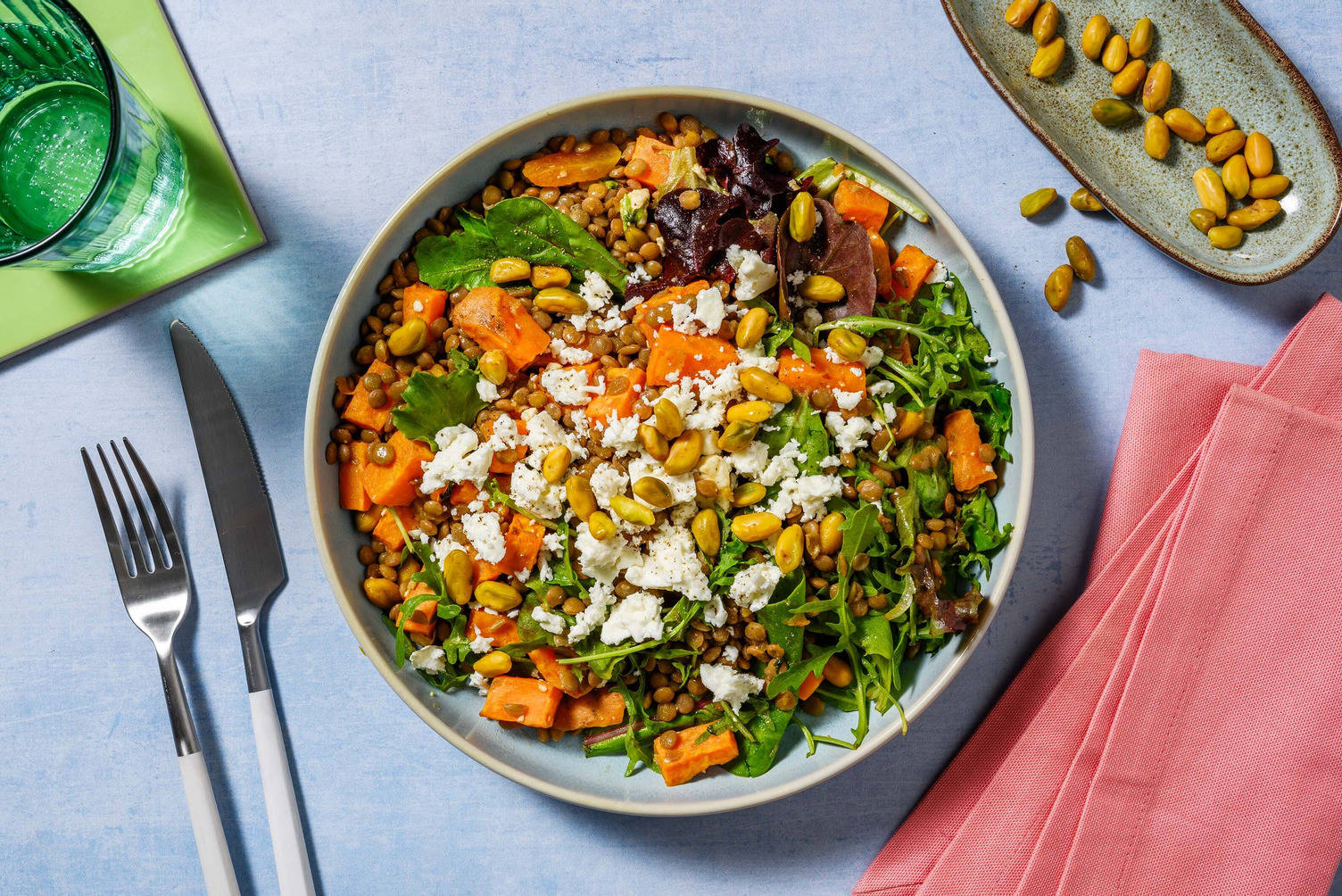
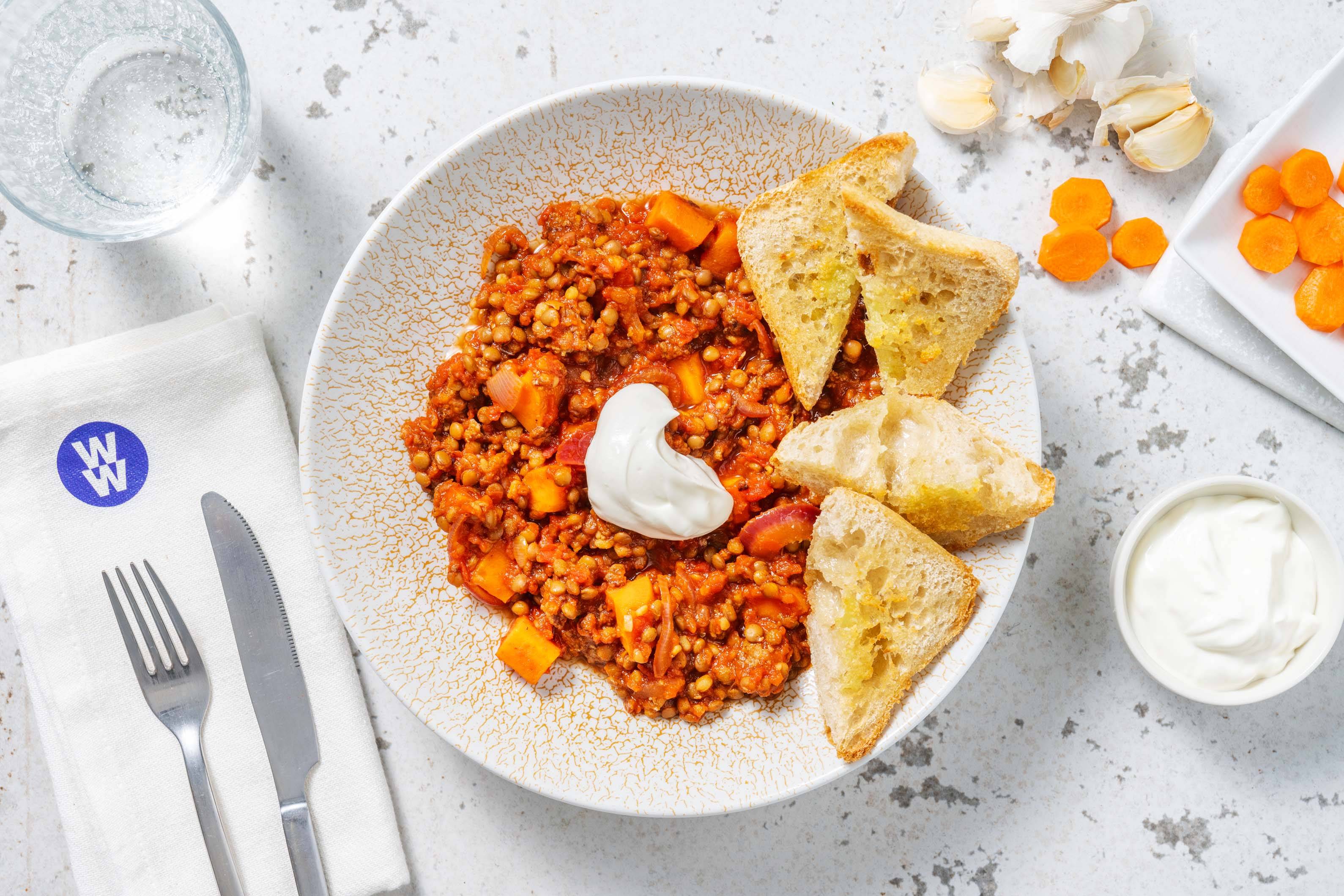
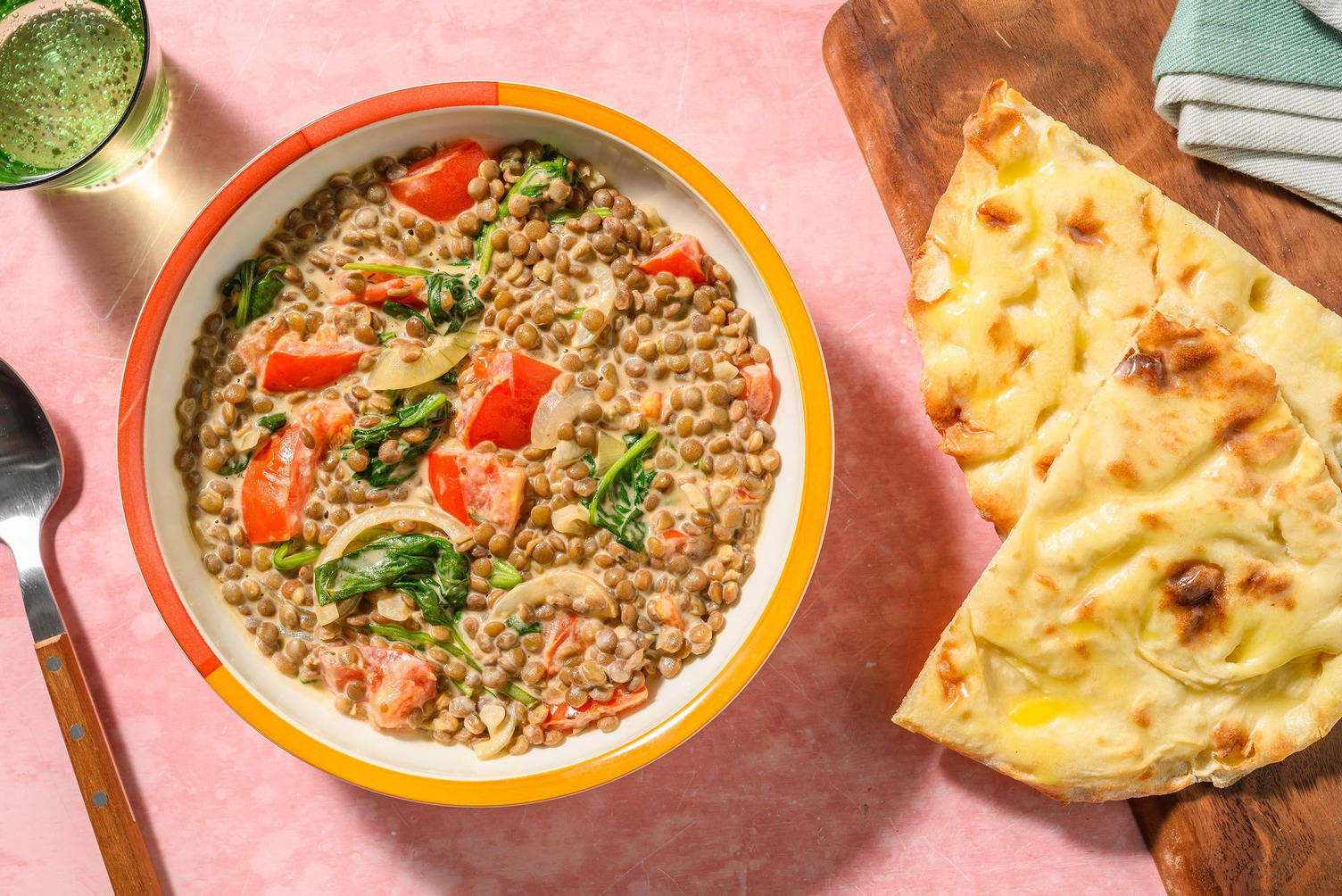
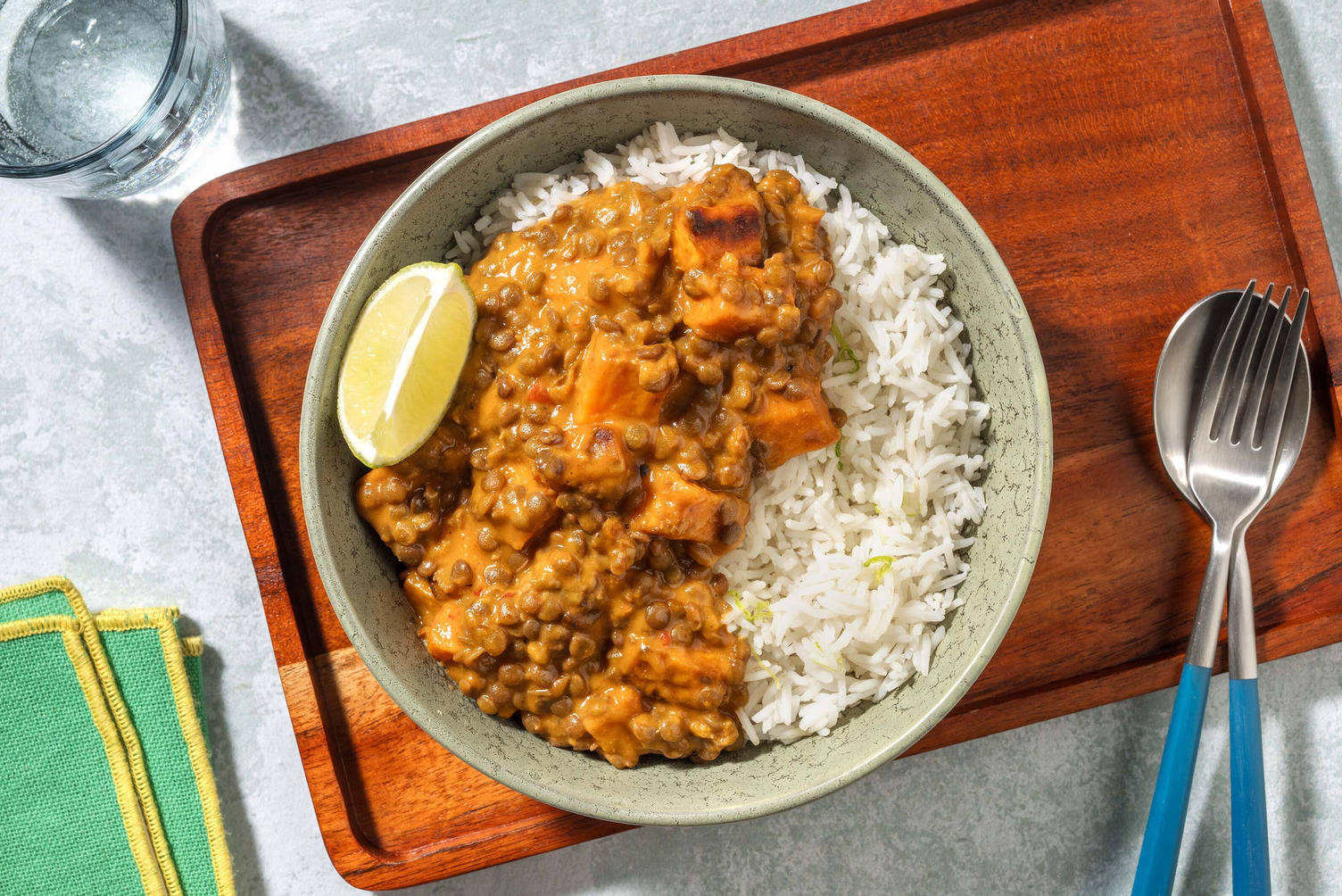
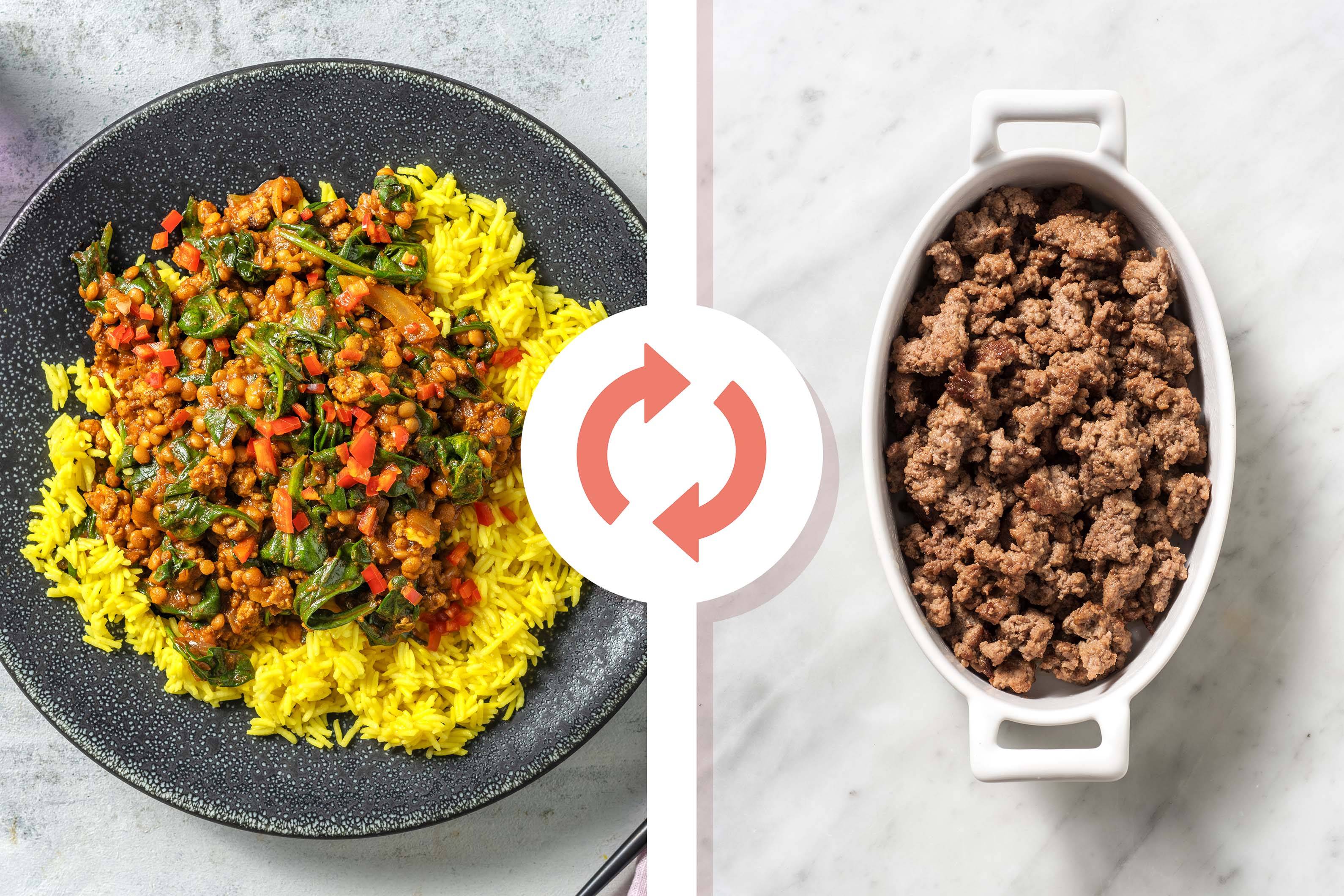
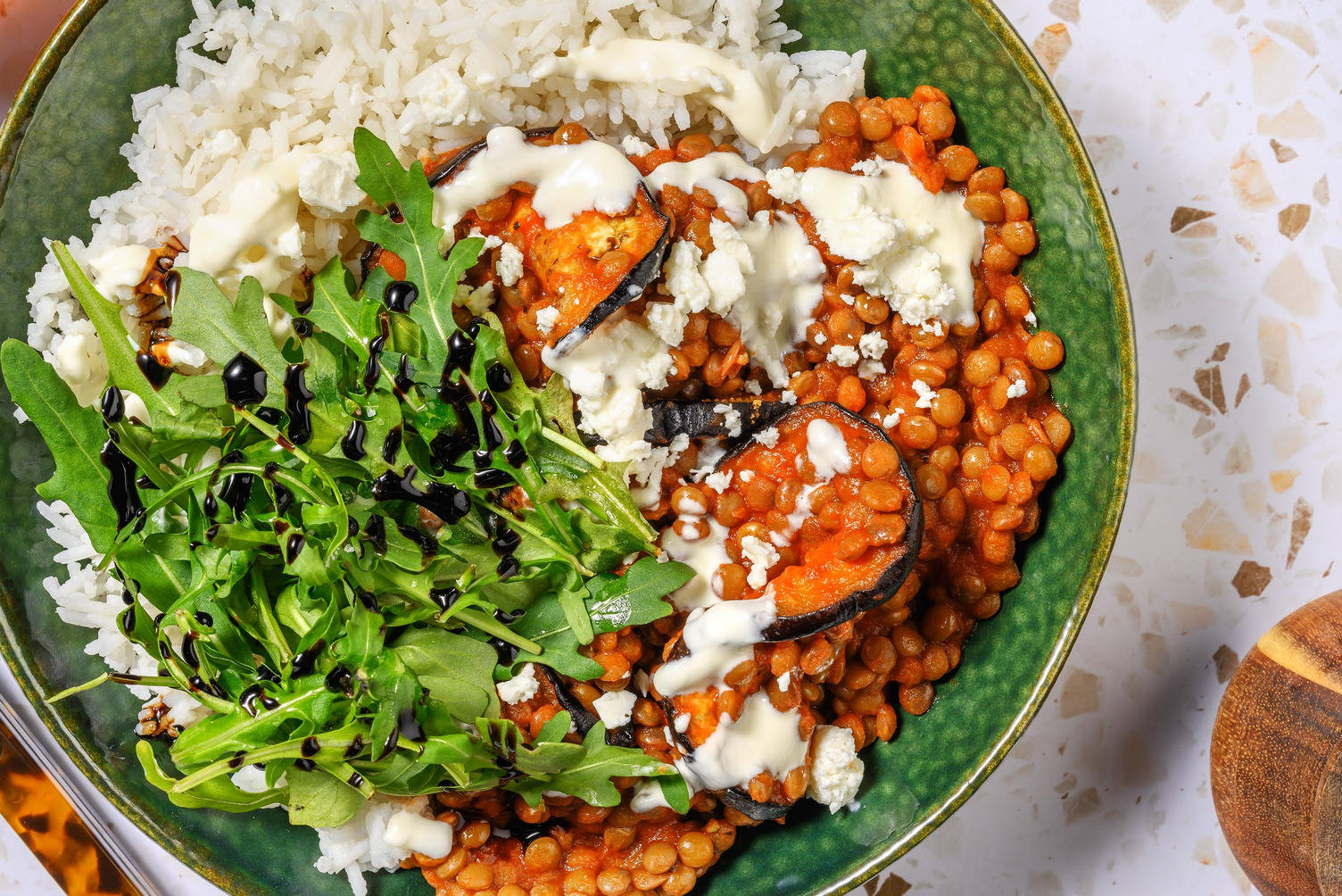
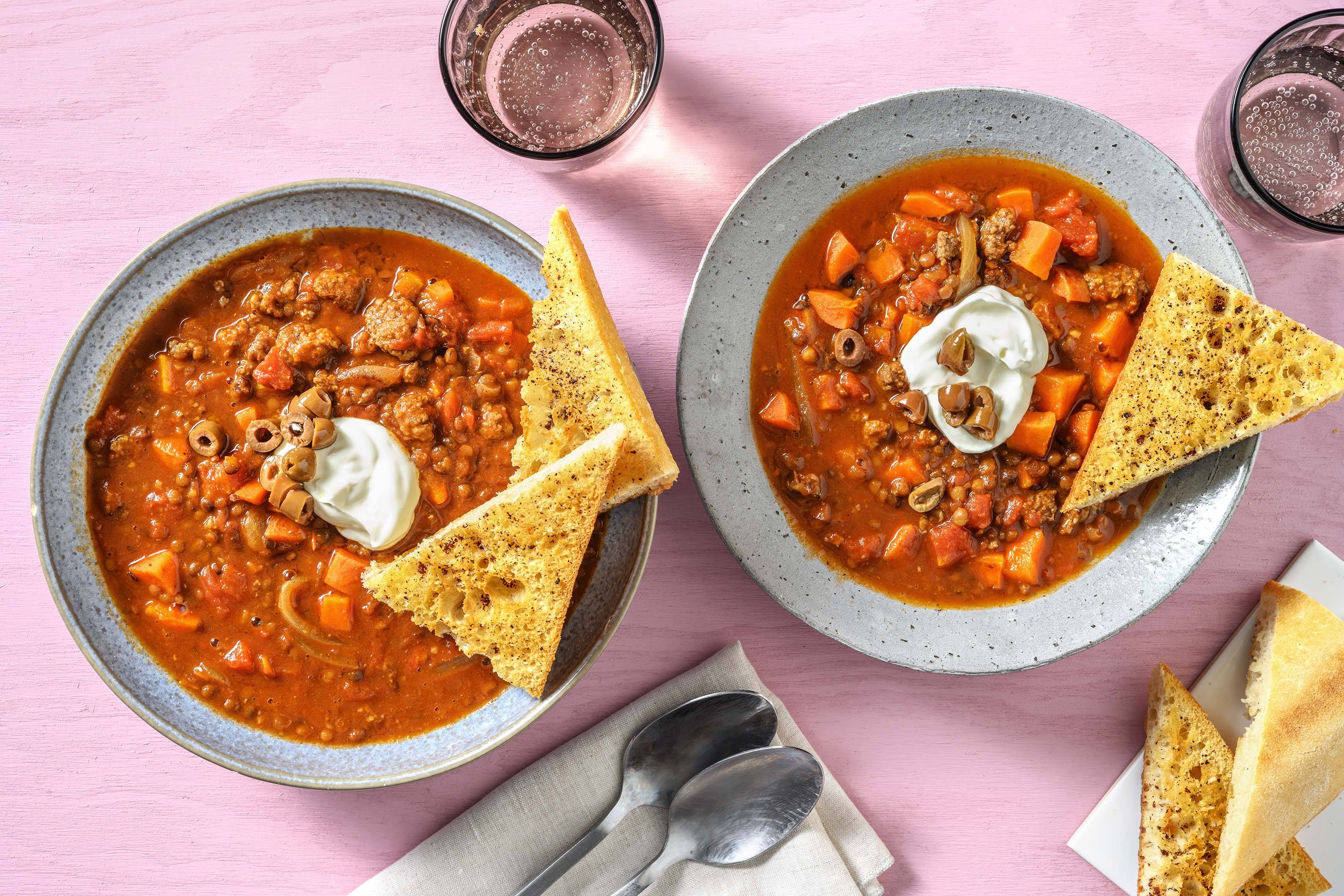
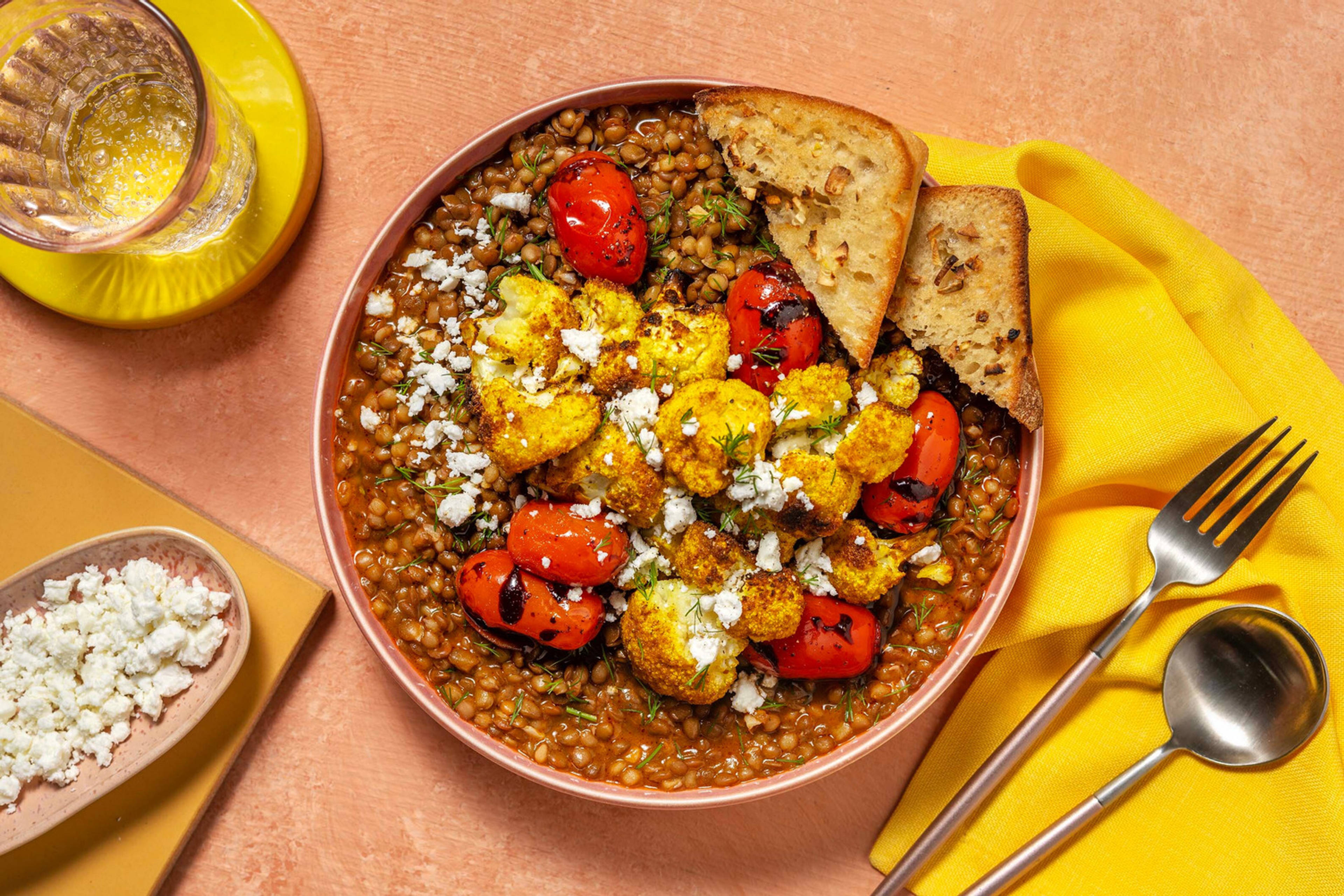
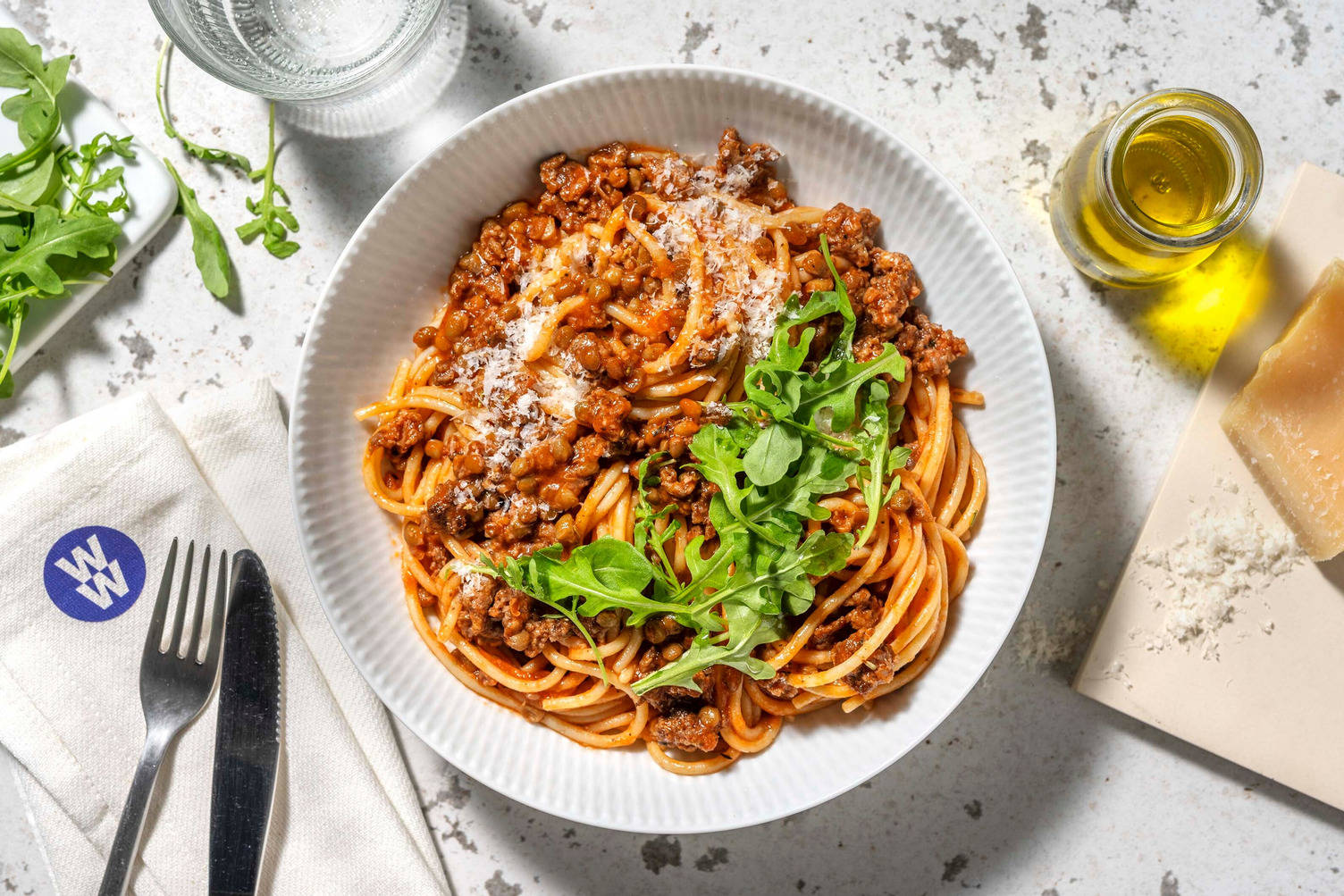
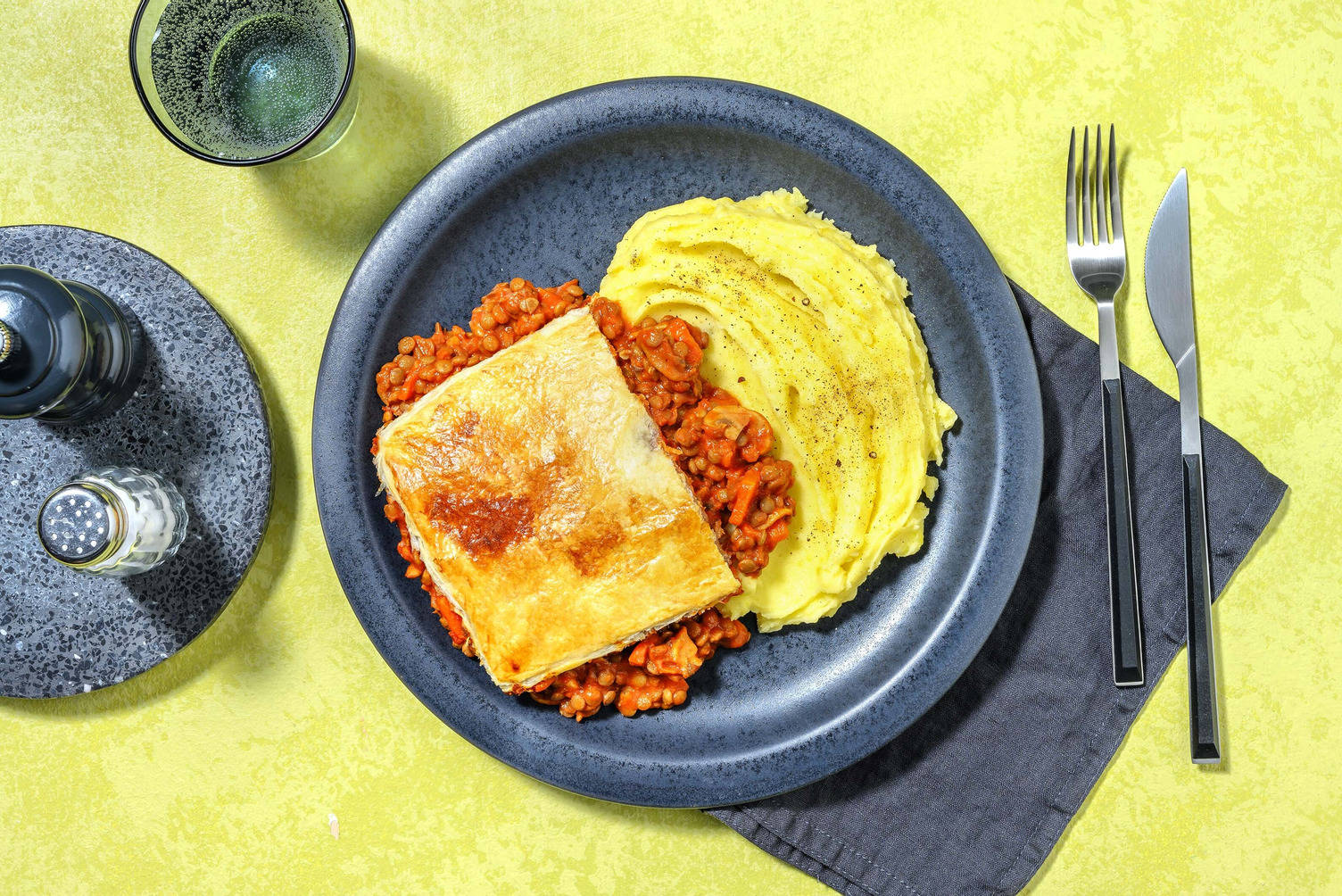
High-protein and delicious, our selection of lentil recipes is here to prove this humble legume is a true kitchen hero. Lentils are the perfect base for a filling, healthy, and budget-friendly meal.

Get inspired

What are Lentils?

What are Lentils?

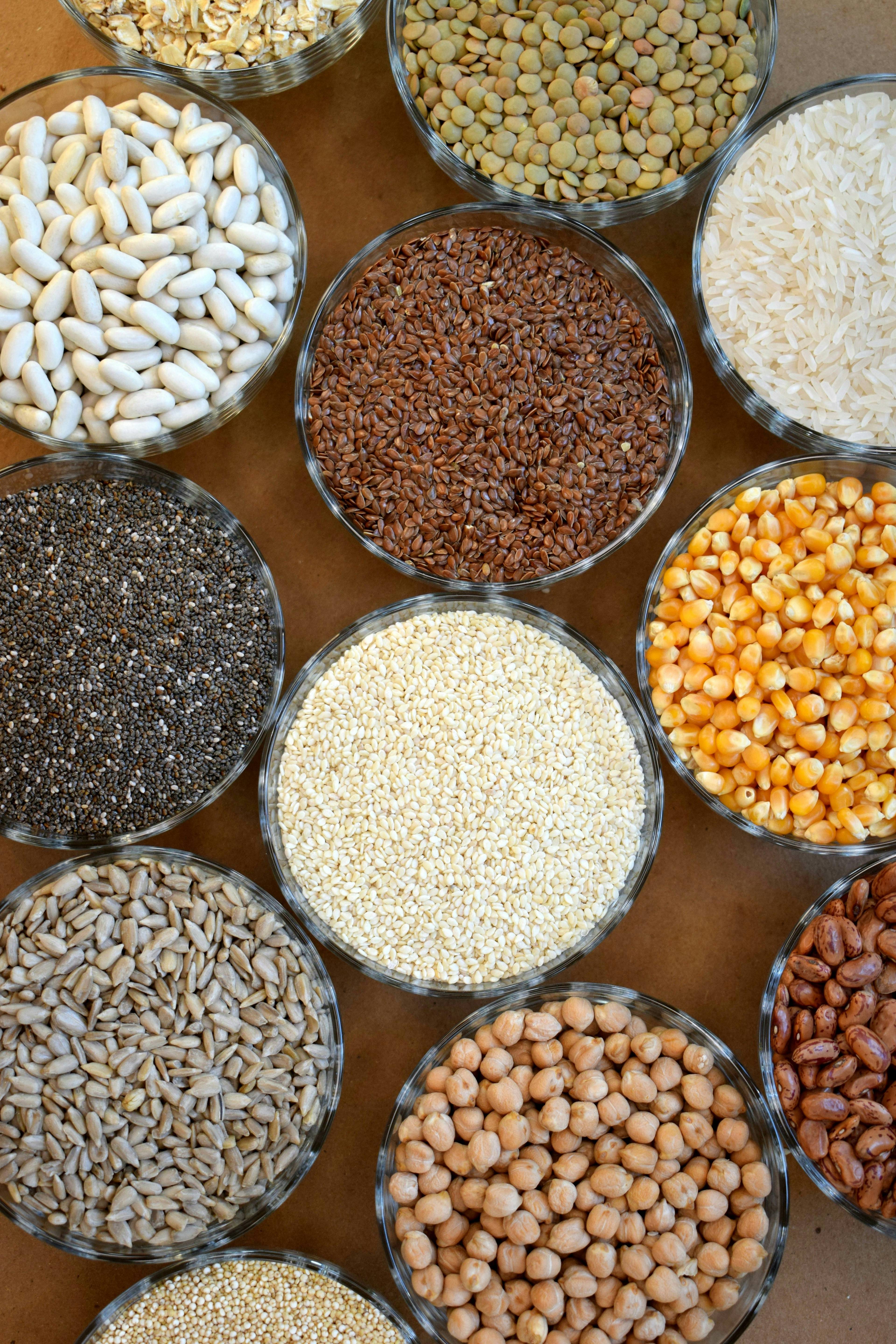
Lentils are small legumes that belong to the pulse family. They come in a variety of colours, all of which have different textures, flavours and uses in different cuisines and meals. Some different types of lentils include:

  • Green Lentils: With a firm texture and a peppery flavour. They hold their shape well during cooking and are used in salads, side dishes, and lentil soup recipes.
  • Brown Lentils: The most widely available lentil. They have a mild flavour and a tender texture when cooked. They are suitable for soups, stews, and casseroles.
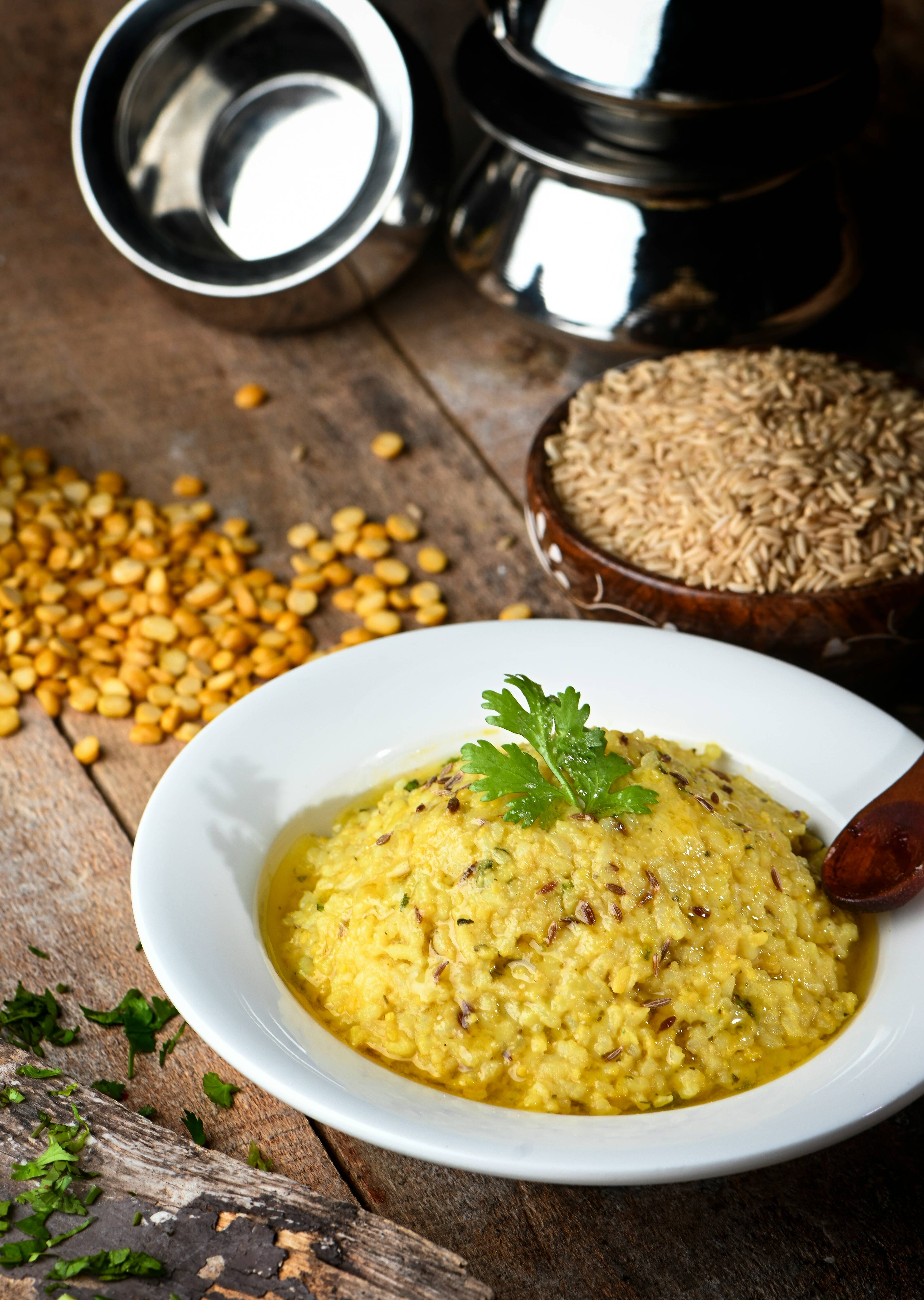
  • Red Lentils: Cooking faster than green or brown lentils, with a softer texture. Often used in Indian and Middle Eastern cuisines, think lentil dahl recipes and curries.
  • Yellow Lentils: Similar to red lentils, yellow lentils are commonly used in Indian cooking. They have a mild flavour and a soft texture when cooked.
  • Black Lentils (Beluga Lentils): With a glossy black appearance and a rich, earthy flavour. They hold their shape well and are often used in salads or sides.
Why Should We Eat Lentils?

Why Should We Eat Lentils?

Lentils have so many benefits. Not only are they a plant-based source of protein, making them perfect for vegetarians and vegans, but they also have lots of health benefits when eaten as part of a balanced diet. Some of their health benefits include:

  • Rich in Nutrients: Lentils are a good source of essential nutrients, including protein, fibre, folate, iron, potassium, magnesium, and vitamins like B1 and B6. They provide a well-rounded nutritional profile.
  • High Protein Content: Lentils are an excellent plant-based protein source, making them an essential part of a vegetarian or vegan diet. Protein is crucial for muscle repair, immune function, and overall body maintenance.
  • Fibre-Rich: Lentils are high in dietary fibre, promoting digestive health.
How to Prepare and Cook Lentils Perfectly

How to Prepare and Cook Lentils Perfectly

Now that you know which variety to choose and why they are so good for you, the best news is that lentils are incredibly easy to prepare. Unlike dried beans, lentils do not require soaking, making them a convenient option for quick weeknight meals.

Here are a few top tips to ensure you get the best results every time:

  • Rinse and Sort: Before cooking, always pour your lentils into a fine-mesh sieve and rinse them under cold water. While rare, it is good practice to quickly check for and remove any small stones or debris that may have slipped into the packet.
  • The Golden Ratio: A general rule of thumb for cooking lentils is a 1:3 ratio. For every 100g of dried lentils, you should aim to use approximately 300ml of liquid (water or vegetable stock).
  • Watch Your Seasoning: Avoid adding salt or acidic ingredients (like lemon juice or tomatoes) until the lentils are tender. Adding these too early can toughen the skins and significantly increase the cooking time.
  • Add Flavour Early: While you should hold the salt, do add aromatics to the cooking water! A bay leaf, a clove of garlic, or half an onion added to the pot will infuse the lentils with subtle, earthy flavours as they simmer.
  • Storage: Uncooked lentils can be stored in an airtight container in a cool, dark place for up to a year. Cooked lentils will keep in the fridge for about 5–7 days, making them perfect for meal prepping.

Enjoy hassle-free home-cooked meals with HelloFresh

Enjoy hassle-free home-cooked meals with HelloFresh

Order today and get 50% off your first box and a free KitchenAid Mini Chopper on your third!

Order HelloFresh